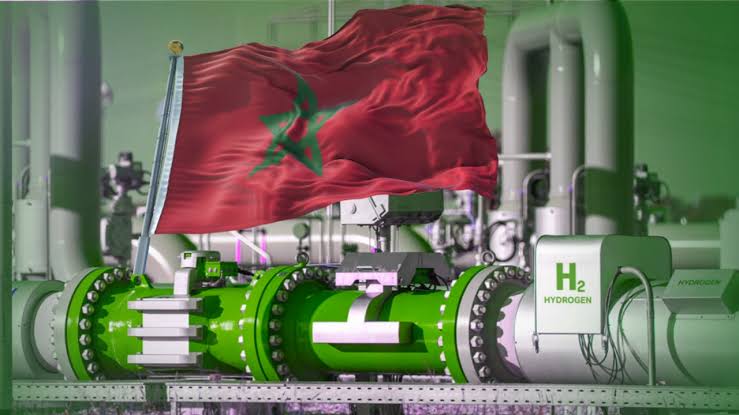
Rabat, Morocco – Morocco is moving to strengthen its presence in the clean energy market through a new industrial project to produce synthetic fuel, with a capacity of approximately 100,000 tons annually. This move reflects the Kingdom’s drive to harness its vast renewable energy potential. Furthermore, it aims to develop industries linked to the global transition toward low-emission energy sources. The project is located in the Tan-Tan region of southern Morocco, an area boasting promising potential for solar and wind energy production, thereby providing a suitable foundation for sustainable fuel and green hydrogen projects.
The project’s projected investment stands at approximately $1 billion, making it a prominent venture within the Kingdom’s energy sector. It also has the potential to attract investments and industries linked to clean fuel production value chains. Synthetic fuels rely on technologies that enable fuel production using renewable energy sources; consequently, they are becoming increasingly important for sectors where a complete shift to electricity is difficult, such as certain areas of transport, industry, and aviation. Through these projects, Rabat aims to capitalize on its abundant renewable energy resources. Furthermore, it is working to transform these resources from mere sources of electricity generation into an industrial base for producing hydrogen, its derivatives, and synthetic fuels, thereby opening the door to new investment and export opportunities.
The project also aligns with Morocco’s efforts to develop its green hydrogen sector and attract global companies to operate in this field. This initiative is particularly timely given the rising European and international demand for low-carbon fuels as part of broader emission-reduction plans. Morocco’s geographical location further supports this strategy, as the Kingdom benefits from proximity to European markets and maritime transport networks, potentially facilitating easier access to international markets for its clean energy products.
Observers believe that expanding synthetic fuel and green hydrogen projects could help Morocco diversify its energy sector revenue streams. Such expansion also contributes to reducing reliance on conventional fuel imports, while creating jobs and fostering new industries linked to energy and technology. At the same time, the initiative underscores that competition within the sustainable fuel market is entering a new phase, as an increasing number of nations move to harness solar and wind energy to produce fuels for export to markets seeking lower-emission alternatives to conventional fuels.