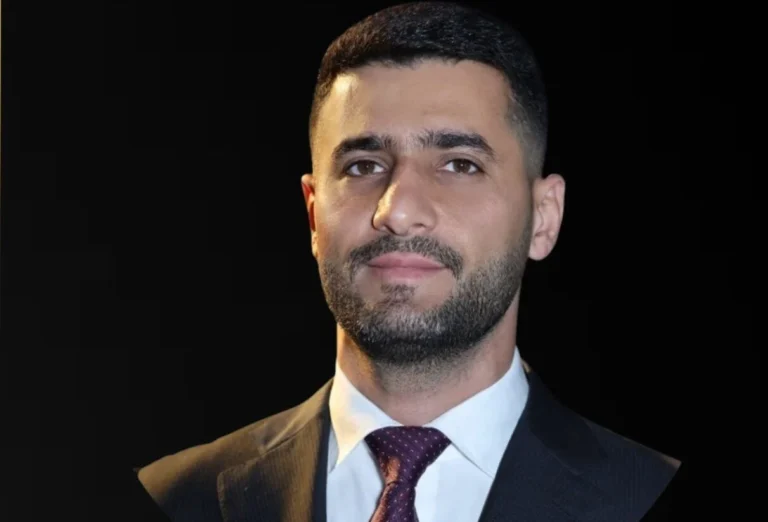
Washington, DC – As part of the official visit of the Iraqi delegation to the United States, headed by Prime Minister Ali al-Zubaidi, Electricity Minister Ali Saadi Wahib held extensive talks Wednesday evening with Victoria Taylor, director of the Iraq Initiative at the Atlantic Council. The meeting addressed the current state of Iraq’s energy sector and the chronic challenges it has faced for years.
Strategic plans to end the crisis
In a press statement following the meeting, Wahib emphasized the need for practical and rapid solutions that can be implemented on the ground.
The ministry’s vision during the discussions focused on three main pillars. The first is increasing power generation capacity by expediting the implementation of stalled strategic projects. The vision also focuses on developing infrastructure by improving transmission and distribution networks and addressing bottlenecks that threaten the stability of the system. Additionally, the third pillar includes securing fuel supplies by ensuring a continuous supply to operate power plants at full capacity.
The minister explained that the government aims to leverage international partnerships and modern technologies to achieve tangible results that will positively impact citizens’ electricity supply. He also emphasized the importance of collaborating with American research centers to identify Iraq’s urgent needs and develop a future vision that strengthens energy security and economic development.
Popular protests in Maysan and Muthanna
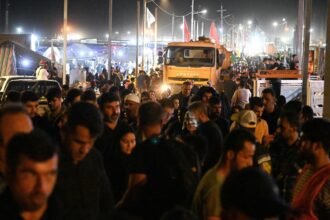
These talks in Washington coincided with angry demonstrations by dozens of citizens in the provinces of Maysan and Muthanna on Wednesday evening, protesting the continued deterioration of the electricity situation. These protests come amidst soaring temperatures approaching 50 degrees Celsius, exacerbating the suffering of residents already burdened by frequent power outages.
Chronic challenges that require radical reform
Iraq suffers from a chronic energy crisis that has worsened over many years, with the national grid facing immense pressure that intensifies during the summer months. Despite the vast sums spent on the electricity sector and the numerous projects announced in the past, persistent power outages continue to plague public services and the daily lives of citizens. For years, the Iraqi public has been demanding fundamental and genuine reforms to end reliance on piecemeal solutions and resolve this issue, which has become one of the biggest service-related challenges facing the country’s social and economic stability.