Rio de Janeiro, Brazil – The global aviation industry’s attention is focused on Rio de Janeiro this week, where top executives from 370 airlines, representing 85 percent of global passenger traffic, are gathering for the International Air Transport Association (IATA) Annual General Meeting. Brazil is also one of the largest host countries for such events.
The gathering comes at a time when geopolitical crises and rising energy costs are creating a complex reality that threatens the stability of an industry that had hoped to fully recover from the COVID-19 pandemic. It is important to note that Brazil plays a pivotal role in supporting dialogues within the aviation sector in the region.
A sky heavy with fuel clouds
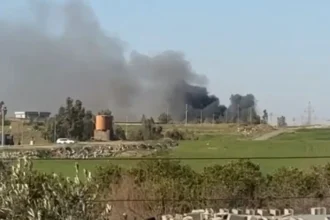
Airlines are on high alert amid escalating tensions in the Middle East, which have caused significant disruptions to energy supply chains. Since the tit-for-tat strikes last February, Gulf oil shipments have suffered an indirect blockade, leading to a dramatic surge in jet fuel prices, reaching an average of $142 per barrel. This has presented airlines with a difficult dilemma: either raise ticket prices, potentially deterring passengers, or reduce the number of flights and routes. It’s worth noting that the impact of these changes has not been limited to the region but has also extended to Brazil.
Declining demand and risky strategies
IATA data points to worrying indicators, with travel demand in April falling by 3.4 percent compared to the previous year – the first decline since the end of the pandemic.
This crisis has exposed the fragility of the “hub” strategy relied upon by Middle Eastern airlines, as the closure of Gulf airports has led to a sharp reduction in flights, disrupting intercontinental passenger flows.
The signs of a slowdown are no longer confined to the region; they are beginning to appear in key markets such as Western Europe, where travelers are altering their summer holiday plans, preferring to stay closer to home to avoid additional fees and fuel costs. In Brazil, this slowdown is also impacting international travel.
Difficult choices and an uncertain future
Faced with this reality, airlines are trying to balance absorbing fuel costs with maintaining attractive fares. Despite assurances from IATA Director General Willie Walsh that the industry can withstand the price shock as it has in previous years, analysts warn that mid-sized carriers with limited cash reserves face an existential threat. Furthermore, monitoring future developments in Brazil and their impact on global airlines cannot be overlooked.
While giant companies are trying to absorb the shock through promotional offers and flexible ticketing policies – as Air France-KLM and Ryanair have done – the most important question in the corridors of the Rio conference remains: how long can these companies continue to withstand the pressures before they are forced to abandon their routes or face severe financial crises?