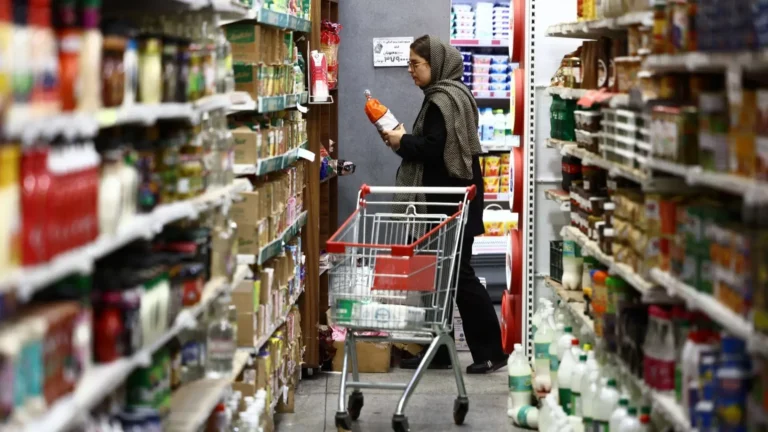
Tehran, Iran – The economic pressure in Iran is no longer limited to securing daily necessities; it has extended to the most basic human right to a farewell. Amidst successive waves of inflation that are eroding household budgets, the Tehran City Council has decided to raise the fees for services provided by the Behesht-e Zahra Foundation – which manages cemeteries – by an average of 40%, reaching as high as 50% in some areas. As a result, citizens are facing a harsh reality that weighs heavily on them even in moments of grief.
Inflation affects “farewell ceremonies”
Under the new tariff, the cost of transporting the deceased within the boundaries of Tehran has jumped to 9.75 million rials. Prices for washing, shrouding, burying, and holding funeral ceremonies have also increased. This rise is not merely another charge on the public services bill; it is an indicator of the deepening impact of the economic crisis on daily life. Post-mortem expenses have become an additional financial burden, adding to the list of worries plaguing Iranian families.
Basic commodities: “Installment policy” and missing meals
On the other side of the economic landscape, markets are experiencing constant price fluctuations. Hossein Farhadi, spokesperson for the Food Banks Association, warned of another price hike for cooking oil. He confirmed that its price has nearly tripled compared to last year. Although the official increase has not yet been approved, rising production, transportation, and import costs are creating an unavoidable reality for the markets.
Official and field data indicate a widening gap in living standards; the inflation rate for red and white meat prices has jumped to a staggering 141%. Overall food inflation has exceeded 115%. This runaway inflation has forced households to drastically alter their consumption patterns. In many areas, citizens have resorted to buying bread by the piece or half a piece because they cannot afford a whole loaf.
Red meat has gone from being a staple in the food basket to a “seasonal commodity” consumed only on major occasions. The phenomenon of installment buying has also made a comeback in supermarkets, with many people resorting to loans or deferred payments to purchase simple everyday items such as cheese, oil, legumes, and tomato paste.
Middle class crisis
The widespread adoption of installment plans by the middle class is a clear indication of the deepening crisis. Inflation no longer threatens only the poorest segments of society; it is now crushing the middle class. This class finds itself unable to meet its basic monthly expenses, according to the newspaper IranWire.
Despite calls from labor unions and some members of parliament to extend the validity of electronic bills or provide compensatory support, the Iranian government remains silent on the final amount of the subsidy. While economic policies remain mired in a cycle of promises, Iranian citizens find themselves forced to choose between buying bread and covering funeral expenses. This starkly illustrates the pervasiveness of the economic crisis, which has profoundly impacted every aspect of Iranian life.