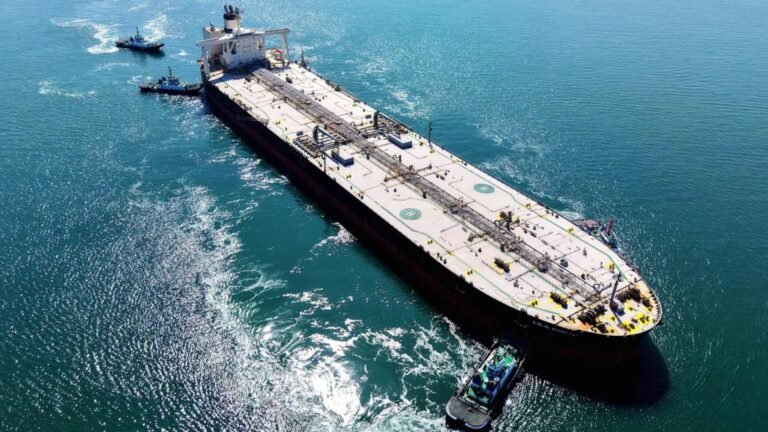
Tokyo, Japan – In a move with significant strategic implications for global energy markets, Japanese oil trading giant Idemitsu Kosan announced that its tanker, the Idemitsu Maru, has arrived in Japan after successfully transiting the Strait of Hormuz. This voyage marks a milestone, as it represents the first Japanese-owned vessel to traverse this vital waterway since the strait’s de facto closure. The event sends a reassuring message regarding the continued availability of essential oil supply chains.
Strategic shipment amid waterway crisis
The Idemitsu Maru, a Panamanian-flagged vessel operated by a subsidiary of Idemitsu Kosan, is carrying approximately two million barrels of Saudi crude oil. The company plans to process this massive quantity into refined petroleum products at its domestic refineries. This will bolster the country’s strategic reserves at a time of heightened regional tensions. The company has confirmed that the three Japanese crew members on board are in good health and did not encounter any danger during the transit.
Japanese move to ensure supply security
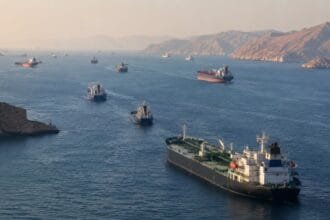
This voyage is part of Japan’s ongoing efforts to secure energy supplies. It follows another tanker belonging to a subsidiary of ENEOS Holdings, which transited the strait earlier this month. This vessel is expected to arrive at Japanese ports by early June. The latest Japanese government data, released on Sunday, indicates that approximately 39 Japan-linked vessels remain in the Arabian Gulf. Tokyo is therefore closely monitoring these movements, in coordination with its international allies, to ensure the safety of its shipping lanes.
The Strait of Hormuz is considered a vital artery for East Asian economies, and any disruption to its flow directly impacts global oil prices. The economic community views this successful transit as a test of the ability of commercial vessels to navigate under current conditions. Nevertheless, Japan continues to pursue a cautious but necessary policy to meet its energy needs and avoid any shortages that could affect its national economic security.
Japanese authorities are continuously assessing security developments and maintaining open lines of communication to ensure the safety of their oil assets located in the region.