Washington, DC – A comprehensive analysis by Reuters has revealed that military tensions and the ongoing crisis in Iran have cost companies worldwide at least $25 billion. This figure is likely to rise further given the lack of any prospect for a near-term diplomatic solution to end the escalating conflict.
Supply chains paralyzed and the Strait of Hormuz almost closed
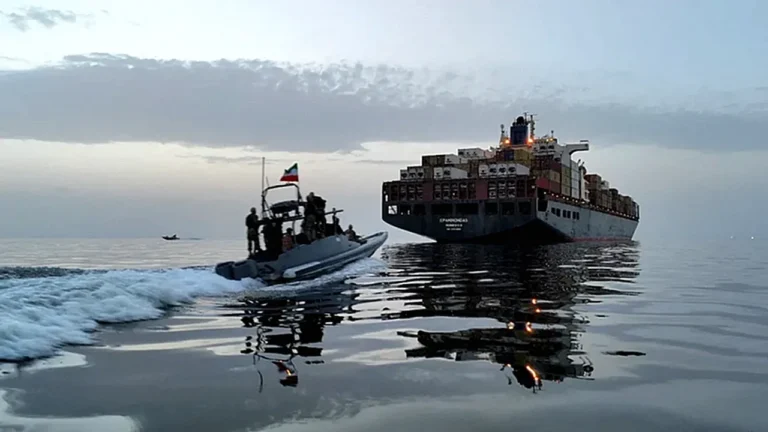
A comprehensive review of financial data from companies listed on US, European, and Asian stock exchanges offers a stark and grim picture of the geopolitical fallout. Businesses are grappling with soaring energy prices. They are also suffering from disrupted supply chains and international trade routes, largely due to Iran’s control of the Strait of Hormuz and its near-closure.
This closure has caused oil prices to skyrocket to over $100 a barrel, more than 50% higher than pre-war levels. This has doubled shipping costs and reduced the supply of vital raw materials such as fertilizers, helium, aluminum, and polyethylene.
279 companies sound the alarm as consumer confidence declines
The analysis revealed that at least 279 global companies officially cited the war as a primary reason for adopting harsh austerity measures to mitigate the financial impact. These measures included raising product prices and reducing production levels. Other companies suspended dividend payments, halted share buybacks, laid off some of their workforce, and imposed additional fuel surcharges.
In this context, Mark Bitzer, CEO of the American home appliance company Whirlpool, said after lowering his profit forecast: “The level of decline in the industrial sector is similar to what we saw during the global financial crisis, and even exceeds what we saw during other recessions, as consumers are now reluctant to replace products and prefer repairs.”
Other giant companies such as Procter & Gamble and Japan’s Toyota (which predicted a loss of $4.3 billion) warned of the increasing severity of the situation as the crisis entered its third month.
The aviation sector is the hardest hit, and inflationary pressures are coming.
Airlines bore the brunt of the quantitative losses, estimated at around $15 billion, due to the doubling of jet fuel prices.
McDonald’s also anticipated increased cost inflation as a result of supply chain disruptions. Its CEO, Chris Kempczinski, confirmed that the sharp rise in gasoline prices directly impacts demand from low-income consumers.
Analysts at Goldman Sachs and UBS believe that global companies will face increasing pressure on profit margins starting in the second quarter of 2026 as hedging contracts expire. Continued price increases will fuel global inflation, reminiscent of the negative impact of tariffs imposed in 2025, potentially pushing the global economy toward a new recession.