Washington, DC – US President Donald Trump stated that Iran is facing a “rapid financial collapse” as a result of the repercussions of the Strait of Hormuz closure, asserting that the move has directly impacted its economic resources and its ability to export oil, the lifeblood of the Iranian economy.
In media statements, Trump explained that the disruption of shipping traffic in one of the world’s most important waterways has led to widespread turmoil in energy markets. This, in turn, has cast a heavy shadow on the Iranian domestic scene, with revenues declining and pressure mounting on the local currency. Inflation rates have also soared.
He indicated that Tehran finds itself in a complex situation, caught between mounting internal pressures and a severe liquidity crisis. This is occurring amidst ongoing economic sanctions and dwindling export opportunities. This, he said, is forcing Iran to “pay the price for its political choices.”
The Strait of Hormuz is one of the most sensitive chokepoints in global trade, with approximately one-fifth of the world’s oil supply passing through it. Therefore, any tension or potential closure has an immediate impact on the international economy. Furthermore, there are direct repercussions for the countries bordering the strait, most notably Iran.
In contrast, Tehran has not issued a direct official comment on Trump’s statements. However, Iranian officials had previously affirmed that their country is capable of managing economic crises, despite the pressures and sanctions. They also emphasized that any actions in the Strait of Hormuz fall within the framework of “protecting national security.”
Developments remain contingent on the trajectory of tensions between Washington and Tehran. Meanwhile, the world is closely monitoring any escalation that could reshape the landscape of international energy and trade.
A severe economic crisis is hitting Tehran… Washington speaks of the repercussions of closing the Strait of Hormuz
Iran between internal pressures and economic crises

Medhat Elsheikh
Medhat El-Sheikh, editor-in-chief of the Voice of Emirates News Agency office in Cairo, is a seasoned Egyptian journalist with extensive experience both within Egypt and abroad....



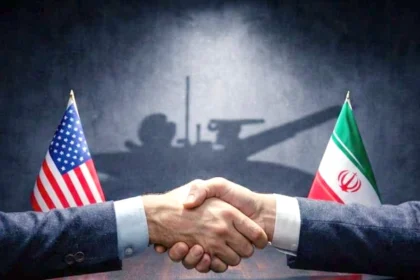
Fars News Agency: Even if Washington agrees to all our conditions, the agreement will not be signed quickly
Is the path to Iranian-American understanding nearing collapse despite progress in talks?
The Philippine earthquake raised the seabed by two meters, exposing coral reefs
Will the violent earthquake change the topography of the coasts in Mindanao?

“Shalet Thanawy” will be released in theaters next month
Social events with a comedic twist
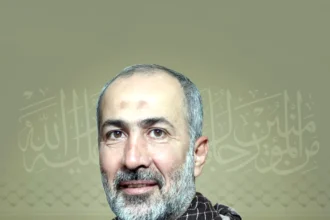
Hezbollah commander Ali al-Hajj killed in raid on Beirut’s southern suburbs
Does the targeting of the southern suburbs indicate a new…