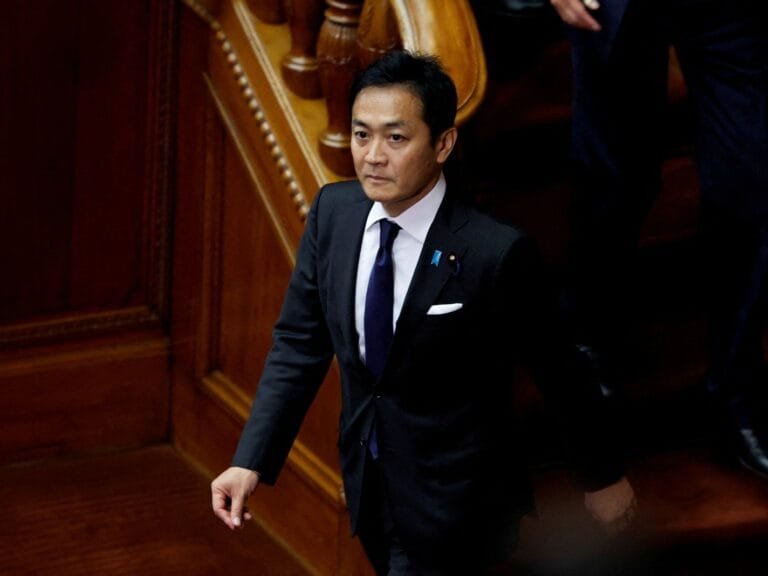
TOKYO, Japan – In important remarks aimed at reassuring financial markets worried about the new administration’s economic direction, Hirofumi Yoshimura, leader of the Japan Innovation Party (Ishin) and a strategic partner in the ruling coalition, warned against any political interference in the Bank of Japan’s monetary decisions.
Independence of monetary decision: “Don’t get into the details”
In an exclusive interview with Reuters, Yoshimura stressed the need to keep monetary policy separate from political interference. He said, “Raising interest rates is something the Bank of Japan should decide based on market conditions and discussions with market participants. Politicians shouldn’t interfere with the timing.” Yoshimura indicated that the current weakness of the yen might prompt the central bank to raise interest rates again. He also emphasized that the government’s role is to “build a strong economy capable of withstanding the pain of an interest rate hike,” rather than pressuring the bank to postpone it.
Ambitious tax plan: Food tax to be suspended in 2026
The leader of the Ishin Party confirmed that the ruling coalition, led by Prime Minister Sana Takaichi, is committed to fulfilling its election promise to suspend the 8% sales tax on food for two years. This will be implemented as early as the 2026 fiscal year. A key element of the fiscal plan is addressing inflation, with the measure aiming to ease the cost of living for Japanese families.
Yoshimura also proposed utilizing Japan’s substantial foreign exchange reserves (US$1.4 trillion) as non-tax revenue to finance the deficit resulting from the tax suspension. He recommended this approach over issuing new debt and suggested seeking funding through cuts to unnecessary subsidies and reductions in overall government spending.
Markets are watching the “yen puzzle”.
These remarks come at a sensitive time for the yen’s exchange rate, which is fluctuating around 152 to the dollar.
While Yoshimura finds it difficult to categorize a weak yen as “good or bad” given its export benefits and import drawbacks, he stressed the need for authorities to take “appropriate and timely measures” to protect the economy from sharp fluctuations.
Analysis: A message of reassurance to investors
Analysts believe Yoshimura’s remarks act as a “brake” to concerns about excessively expansionary policies that the Takaichi administration might pursue. By emphasizing the Bank of Japan’s independence, the ruling coalition seeks to prevent a massive sell-off of government bonds and the yen. These concerns dominated the market late last year.