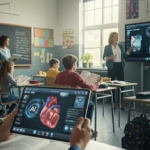
Oslo, Norway -Educational authorities in Norway have announced new regulatory measures aimed at restricting the use of artificial intelligence technologies within primary schools. This step is part of the state’s efforts to regulate the employment of these tools in classrooms and ensure their alignment with basic educational objectives in early schooling stages.
The new measures include setting controls on the use of AI applications by young students, prioritizing basic skills such as reading, writing, and arithmetic. It also aims to enhance reliance on direct interaction between teacher and student, away from excessive dependence on digital tools.
Comprehensive Review of Modern Technology Impact
Educational authorities confirmed that this decision comes as part of a comprehensive review regarding the impact of modern technologies on academic achievement in early education stages. This follows the increasing use of AI tools by students in completing homework and various educational activities.
The ministry indicated that the goal is not a complete or absolute ban on technology, but rather to guide its use in a studied and scientific manner. This approach ensures leveraging technical benefits without negatively impacting the development of children’s basic skills or their mental and creative abilities.
Balancing Technology and Traditional Education
This trend comes at a time when educational systems in several European countries are experiencing increasing debate regarding the role of AI in education, divided between supporters who see it as an important assistive tool, and opponents who warn against excessive reliance on it in early stages.
Educational experts believe that Norway, through this step, seeks to achieve a precise balance between technological development and traditional education requirements. This ensures the preparation of a generation capable of using technology consciously, without losing basic skills and abilities.
It is expected that these controls will be implemented gradually within primary schools, with periodic monitoring to evaluate their impact on the educational process and the response of students and teachers in the coming period.