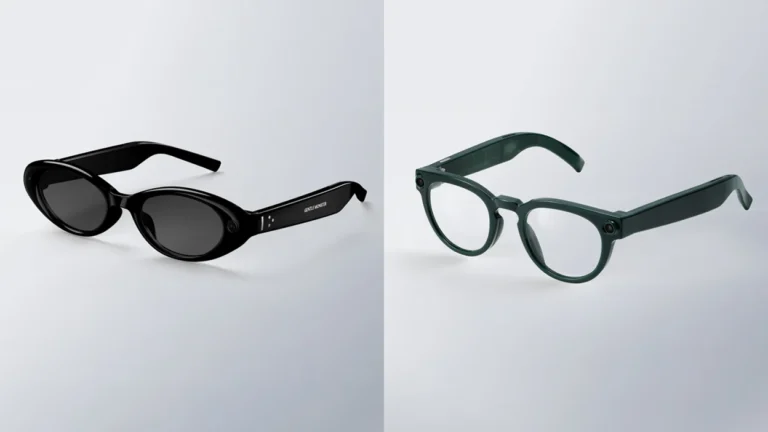
California, USA – In a bold strategic maneuver, Google is gearing up for a significant entry into the smart glasses market in 2026. Recent technical reports indicate that Google aims for mass adoption. Moreover, the company projects selling over two million units running on its new Android XR operating system. From this perspective, Google is not merely introducing another wearable gadget. Instead, it is aiming to weave Extended Reality (XR) technology—blending Augmented Reality (AR) and Virtual Reality (VR)—into the core of the user’s daily experience. Consequently, interacting with digital data becomes more fluid and deeply integrated with the real world.
A Comprehensive Software Ecosystem for Digital Users
Furthermore, Google’s vision goes beyond just hardware. The company is actively building a comprehensive ecosystem of innovative services. The Android XR glasses are expected to be equipped with high-performance smart assistants and real-time translation services. In addition, they will have sophisticated applications for work, education, and entertainment. Based on this, Google aims to make these glasses an indispensable part of the user’s routine. For example, they could display smart notifications on the go or provide interactive educational experiences. On the other hand, this direction is expected to bolster consumer confidence in smart glasses as practical tools. As a result, smart glasses may no longer be seen as just experimental novelties.
The XR Market: A Fierce Arena of Tech Giants
In the same context, technology sector analysts emphasize that Google’s powerful entry into this domain will spark a “tech war” with major players like Meta and Apple. The Extended Reality (XR) market is experiencing accelerated growth. This growth is driven by improved hardware quality and gradually decreasing production costs. Similarly, expanding use cases in industries like healthcare and manufacturing are creating sustained demand. From this perspective, 2026 is viewed as a “tipping point.” This moment could position smart glasses on the path to eventually becoming a viable alternative to smartphones. This could happen in the long run.
Privacy Challenges: Balancing Innovation with Security
Ultimately, despite significant optimism, fundamental challenges remain for widespread adoption. Users and regulatory bodies alike prioritize privacy and data protection above all else. Based on this, tech giants are acutely aware that the success of the next generation of smart glasses will primarily depend on security and transparency standards. Consequently, all eyes are on how Google will address these concerns to ensure a safe and comfortable user experience. This will ultimately determine Android XR’s ability to dominate in an increasingly competitive and technologically evolving market.