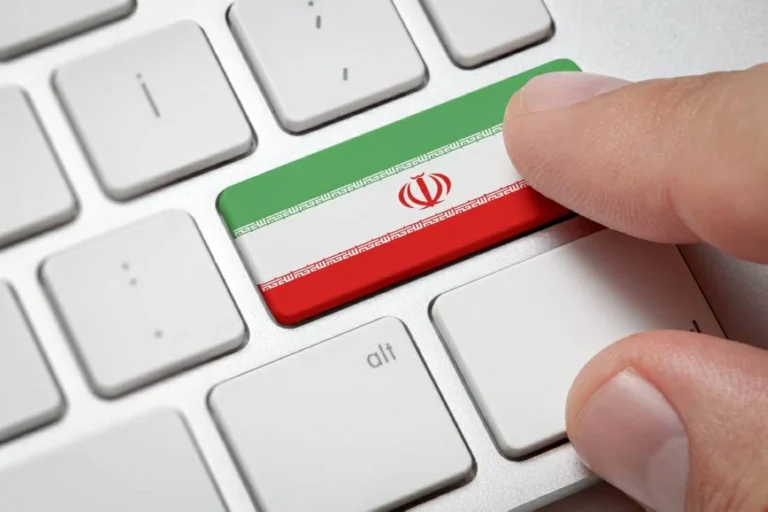
Tehran, Iran – Iran has entered a critical phase of digital isolation as its international internet outage surpassed 1,500 hours. This disruption coincided with the recent US and Israeli attack on the country.
According to a report by NetBlocks, an independent cybersecurity monitoring organization, Iran has now been cut off from the global network for 64 days. This has resulted in widespread technological and economic paralysis.
“The Class-Based Internet” and the Rise of the Black Market
Under this digital siege, the features of a “class-based internet” began to take root in Iranian society by decision of the Supreme National Security Council. Restricted and “carefully filtered” access was granted to specific companies and entities under the name “Pro Internet.”
However, field reports revealed that this system quickly transformed into a tool for profiteering and brokerage in the parallel markets.
The tech website Sitna reported a worrying trend in mobile phone stores: the sale of “unfiltered internet” to consumers at exorbitant prices.
Smartphone users, particularly iPhone owners, are being forced to pay between 300,000 and 500,000 tomans for just 10 minutes of calls via what are known as “white lines.” This is necessary for essential tasks such as initial device setup or Apple ID verification.
“Internet Pro” trading and fraud methods
According to an investigation by Zoomit, the “digital rental” market has flourished. The service is activated for users at prices ranging from one to three million tomans through three main methods. First, direct connections are made through employees within the offices of telecommunications operators. Second, surplus quotas allocated to major companies are sold on the black market. Finally, some companies exploit their licenses to sell “Internet Pro” quotas directly to the public as a commercial commodity.
Technical repression and human losses
The crisis is not limited to the financial aspect; it extends to a severe crackdown by the authorities against circumvention tools. Security agencies are targeting VPN networks and satellite receivers with unprecedented ferocity.
In a dramatic development, reports emerged of the death of a Starlink user during a security raid targeting satellite receivers. This reflects the regime’s determination to tighten its grip on the flow of information.
While authorities justify these restrictions on security grounds amid military tensions, experts believe Iran is moving toward an isolated “national internet” model. As a result, access to the global network is transforming from a basic right into an expensive luxury, attainable only by the wealthy or those with influence through illicit channels.