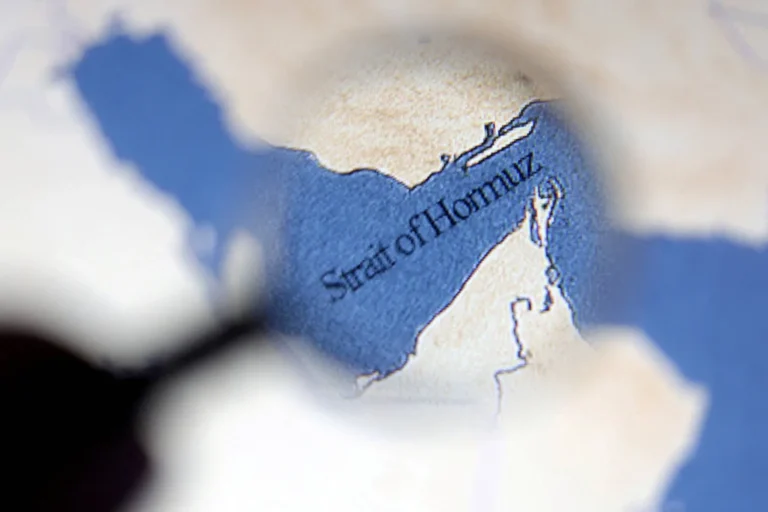
Tehran, Iran – News reports citing informed Gulf sources revealed that the Sultanate of Oman has officially submitted a strategic diplomatic proposal to Iran, calling for the establishment of a joint regional mechanism to manage the Strait of Hormuz, with the adoption of a voluntary fee payment system for transit and navigation services, which clearly means that exclusive and sole control over this vital waterway will not remain in Tehran’s hands alone.
Details of the proposal inspired by the Strait of Malacca
According to Reuters, citing an unnamed source in the Arabian Gulf, the Omani proposal enjoys broad support from countries in the region. This practical approach is based primarily on the model used in managing the Strait of Malacca between Malaysia and Indonesia. It relies on voluntary payments and contributions from ships and commercial companies using the strait, which are entirely dedicated to funding maritime navigation services, protecting the marine environment from pollution, and financing search and rescue operations to ensure the security and sustainability of global trade flows. In the same vein, the Sultanate of Oman had previously and unequivocally declared its rejection of the various or unilateral approaches Iran seeks to adopt in managing the Strait of Hormuz, affirming its full commitment to the rules of international law and the principles of freedom of international navigation.
Iranian-Omani-Saudi diplomatic activity and the American stance
This diplomatic initiative coincides with Iranian officials acknowledging ongoing talks with Omani officials regarding the management of the waterway. The Iranian Foreign Ministry spokesperson confirmed last Monday that the only negotiations Tehran is currently engaged in are those conducted exclusively with the Sultanate of Oman concerning the Strait of Hormuz.
On the diplomatic front, Iranian Foreign Minister Abbas Araqchi held extensive talks on Monday with his Omani and Saudi counterparts, focusing on the security of the Strait of Hormuz. According to an official statement from the Iranian Foreign Ministry, Araqchi emphasized during these consultations the urgent need to strengthen bilateral and regional cooperation and advance joint diplomatic efforts to “establish stability in the region and completely eliminate the causes of insecurity in the Strait of Hormuz.”
Developments in the American position and the background of the tension
These diplomatic initiatives coincide with significant political and military developments. On Monday, US President Donald Trump stated that his country had recently held “good talks” with Iran, indicating that a political agreement remained possible. However, he simultaneously issued a clear and direct warning that US military strikes would inevitably resume if these negotiations failed to achieve their objectives. These moves come amidst concerted efforts to contain recurring security crises and the threats to global maritime trade in this vital region.