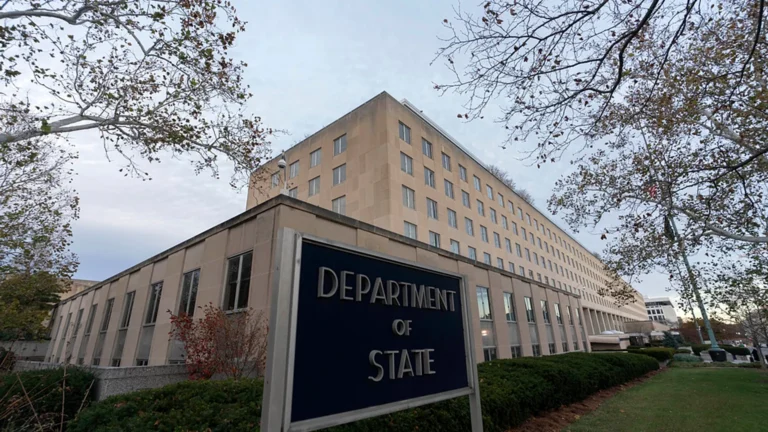
Washington, United States – The US State Department confirmed on Tuesday that a new round of talks between Israeli and Lebanese delegations will be held in the Italian capital, Rome, from August 4 to 6, in an important step that comes within the framework of efforts to establish and expand “experimental zones” in direct cooperation with the Lebanese army to consolidate security stability.
Details of the technical agenda and the objective of the Rome talks
In a related context, a senior US State Department official, speaking on condition of anonymity due to the sensitive nature of the matter, said that “the technical delegations will focus at the upcoming Rome meetings on accelerating the full implementation of the framework agreement.” The official indicated that discussions will center on expanding the scope of the “pilot zones” process, resolving all outstanding border issues between the two sides, and drafting the terms of a comprehensive agreement that guarantees lasting peace and security in the region. The US official added, emphasizing that “the experience gained from the initial zones will undoubtedly help us refine the mechanisms for implementing the pilot zones precisely, allowing for their gradual and deliberate expansion on the ground.”
The Lebanese army’s stance on Israeli operations
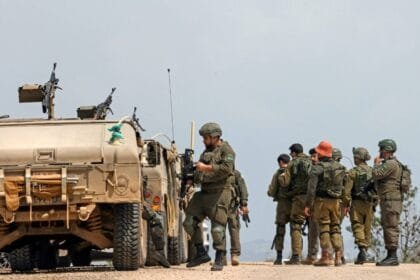
The announcement of these talks comes at a time of continued challenges on the ground, with the Lebanese army condemning Israel’s ongoing military operations in southern Lebanon last Sunday. The Lebanese army accused Israel of directly hindering its security and military deployment in the area, as stipulated in the framework agreement signed by the two countries last month.
Italian preparations and previous dialogue sessions
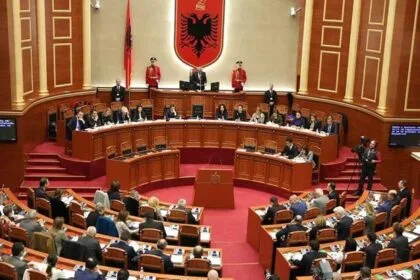
Italian Foreign Minister Antonio Tajani announced these important talks a few days ago, confirming before the Italian Parliament: “We will host another round of dialogue between Lebanon and Israel on August 4th.” These statements followed a previous round of talks between delegations from both countries in Rome last week, which the Italian side described as having “allowed for tangible progress in identifying the initial pilot areas.”
Details of the framework agreement and the tasks of the Lebanese army
It is worth noting that, under the framework agreement signed last June, the Lebanese army is supposed to disarm Hezbollah immediately upon its deployment in the designated “pilot zones” and prohibit any military presence of any armed group outside the official government forces. This step is intended to serve as a successful initial test to ensure a gradual and deliberate Israeli withdrawal from other areas in southern Lebanon. Despite the decrease in the intensity of the overall fighting, the Israeli army continues to launch sporadic airstrikes in southern Lebanon.