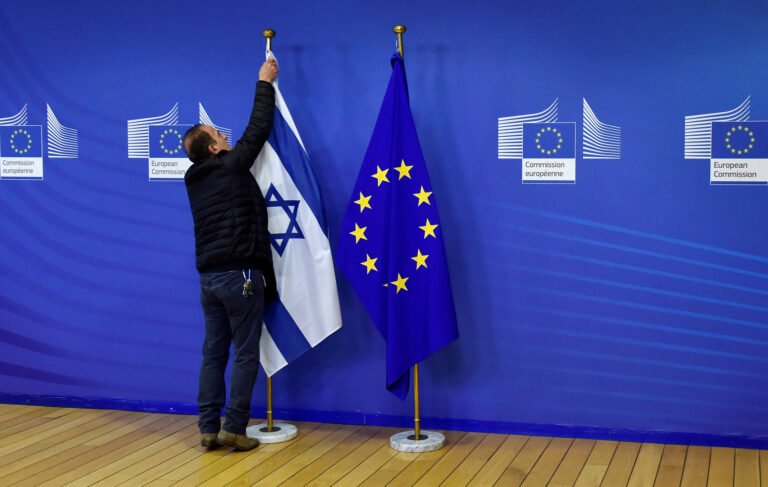
Brussels, Belgium – The European Union is considering an unprecedented package of punitive measures against Israeli officials. This move reflects escalating tensions between Brussels and Tel Aviv over developments in the Gaza Strip and the West Bank, and has been accompanied by growing European criticism of Israeli policies.
According to European sources, discussions within EU institutions include imposing restrictions on a number of Israeli political figures. In addition, further measures are being considered that could target entities and individuals linked to settlement activities. These steps are part of a broader review of relations between the two sides.
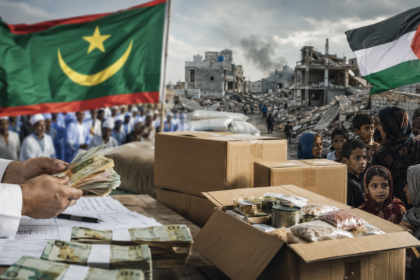
This move comes amid growing pressure within several European countries to take a tougher stance against Israel, particularly given the ongoing humanitarian crisis in the Gaza Strip and increasing international calls for a halt to military operations. These calls also demand the facilitation of humanitarian aid access to civilians.
European diplomats confirmed that discussions are still ongoing among member states, with differing opinions on the nature and scope of potential sanctions. However, there is a growing consensus on the need to send a clear political message reflecting the European Union’s dissatisfaction with the current situation.
In contrast, Israel rejected any European move to impose sanctions on its officials, arguing that such measures would be politically motivated and would not contribute to resolving the crisis. The Israeli government also emphasized that it would continue its security policies as it deems necessary to protect its interests.
Observers believe that any European decision to impose sanctions on Israeli officials would represent a significant shift in the nature of the relationship between the two sides, especially since the European Union is one of Israel’s most prominent economic and trade partners. Therefore, such a decision could open the door to a new phase of political and diplomatic pressure in the coming period.
These developments come at a time when the international arena is witnessing rapid activity regarding the war in Gaza. At the same time, European and international calls for a political settlement and a de-escalation of the conflict are increasing. This is happening amidst fears of a widening circle of tension in the region and its repercussions on regional security and stability.