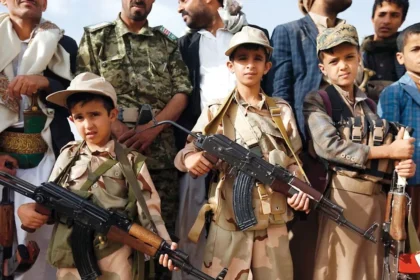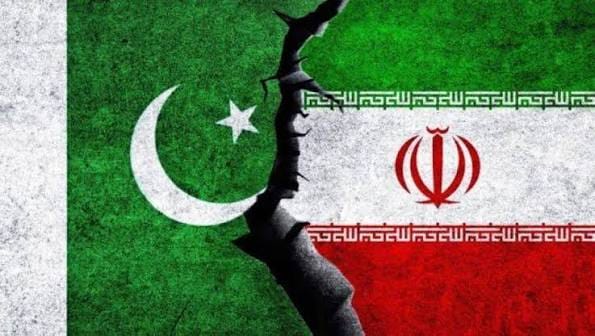
Islamabad, Pakistan – Reports have revealed a new Pakistani move to contain regional escalation, following Islamabad’s delivery of a warning to Tehran regarding attacks carried out by the Houthi group against Saudi Arabia. Pakistan also urged Iran to use its influence to press the group to halt the escalation and prevent the confrontation from spiraling into a more dangerous phase. This Pakistani initiative comes at a highly sensitive time, amidst rising regional tensions and an expansion of reciprocal attacks. These developments have sparked fears that new parties could be drawn into the conflict. Furthermore, there is concern that the struggle could evolve into an all-out regional war with consequences that would be difficult to contain.
According to reports, the message that Islamabad carried to Tehran included a clear warning against continuing to target Saudi lands and facilities. In the same context, there are confirmations that Riyadh takes the repeated Houthi attacks seriously. In addition, its continuation may impose tougher options during the next phase. Pakistan, which has strong relations with both Saudi Arabia and Iran, is trying to play the role of a mediator capable of conveying messages between the two sides. At the same time, it is keen not to get directly involved in the military operations taking place in the region.
Conversely, Islamabad denied the existence of an official decision to participate in military action against the Houthi group, emphasizing that current efforts are focused on political and diplomatic engagement and attempting to prevent the conflict from widening. Pakistan stressed that any future military move—should it become necessary—would be contingent upon its obligations to allies and the defense of its own territory and interests; the objective is not to open a new front within Yemen.
For its part, Iran rejects accusations portraying it as the party that directly controls the Houthi group’s decisions. It maintains that the group makes its decisions independently, despite repeated allegations that Tehran provides it with military, technical, and political support. This issue presents Pakistan with a highly complex dilemma, as Islamabad seeks to preserve its strategic partnership with Saudi Arabia while simultaneously attempting to avoid a deterioration in relations with Iran—particularly given the shared border and intertwined security and economic interests between the two nations.
Pakistan’s moves are gaining increased significance amidst mounting concerns that tensions could spill over into international shipping lanes, particularly the Red Sea and the Bab al-Mandab Strait. This coincides with escalating unrest in the Gulf region and the Strait of Hormuz. Observers believe that continued Houthi attacks could create a new dynamic in the region, especially if political pressures escalate into direct military action. Such a development could widen the scope of the confrontation and heighten risks to trade and energy flows in the area.
Through its contacts with Tehran, Islamabad is attempting to convey the message that continued escalation will not remain confined to the current confrontation. Conversely, an expansion of attacks could prompt regional actors to adopt a more hardline stance. While Pakistan has denied any decision to engage in military action against the Houthis, ongoing diplomatic efforts reflect growing concern over the repercussions of the escalation. These moves also underscore Islamabad’s desire to prevent the situation from reaching a point where the conflict can no longer be contained through political means.