Vienna, Austria – The Director General of the International Atomic Energy Agency (IAEA), Rafael Grossi, warned during a meeting of the Board of Governors in Vienna, Austria, of the serious consequences of the complete cessation of IAEA inspectors’ access to Iranian nuclear facilities for nearly a year. Grossi also noted that the Agency has not received any official information regarding the status of nuclear materials in Iran and has been unable to carry out essential on-site verification activities required under the safeguards agreement of the Treaty on the Non-Proliferation of Nuclear Weapons (NPT).
International warnings and US-European pressure to comply
Grossi emphasized to diplomats that the complete lack of information regarding Iran’s nuclear program constitutes a serious and critical issue related to nuclear proliferation. He therefore demanded that international inspectors be granted immediate access to key sites as a matter of utmost urgency. In a related development, the United States, with the full support of the three European countries (France, the United Kingdom, and Germany), drafted a resolution calling on Tehran to urgently address its non-compliance and allow on-site inspections to ensure that nuclear materials are not being diverted. The resolution also stressed support for diplomatic solutions and encouraged all parties to engage constructively. This occurred during the first official appearance of the new US Ambassador to the IAEA, Preston Wells Griffith III.
The inspection stalled, and the US threatened to strike the “Axe Mountain” complex.
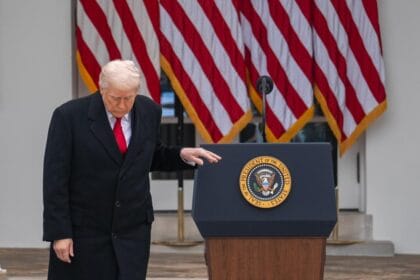
These developments coincide with the continued denial of access to the damaged facilities at Fordow, Isfahan, and Natanz for inspectors. At these facilities, the last recorded presence was approximately 440.9 kilograms of highly enriched uranium. An additional 8,599.6 kilograms of low-enriched uranium is also present. In a significant military escalation, US President Donald Trump stated that his country is seriously considering launching new strikes against underground nuclear facilities. He specifically alluded to the fortified “Peak Axe” site, adjacent to the Natanz facility in central Iran. He also asserted that Washington is fully aware of the personnel at the site and warned against any hostile actions. Observers believe the situation is currently at a standstill, with international knowledge diminishing compared to the period before the 2025 strikes. Furthermore, Moscow and Beijing are unlikely to support any new UN sanctions.
Iran’s sharp response and categorical rejection of the draft resolution
In response, the Iranian Foreign Ministry strongly rejected the Western efforts. Its spokesman, Esmail Baghaei, described the draft resolution as legally invalid and politically motivated. Baghaei asserted that demanding Tehran’s compliance contradicted the reality on the ground, blaming previous US and Israeli strikes for disrupting the agency’s work. He added that Western actions reflected “ill will and an unjustified escalation.” He also affirmed that his country would take all necessary measures to respond firmly to any hostile resolution.