Washington, United States – The Axios news website, citing senior US officials, revealed that the US administration under President Donald Trump now believes that the severe economic sanctions and naval blockade imposed on Iran, although their impact is relatively slower compared to direct military strikes, are likely to ultimately cause significant strategic damage to the Iranian side.
The economic crisis worsens and Tehran’s financial concerns grow.
According to officials quoted by the website, intelligence reports indicate a sharp and accelerating deterioration of the economic crisis in Iran. The Iranian market is suffering from a significant shortage of gasoline, and there is a high probability of a mass withdrawal of funds from banks. Furthermore, the government is facing increasing difficulties in securing and paying the salaries of its security forces. In this context, Axios quoted one official as saying unequivocally that Iranian officials “fear the US Treasury Department far more than they fear the Department of Defense.”
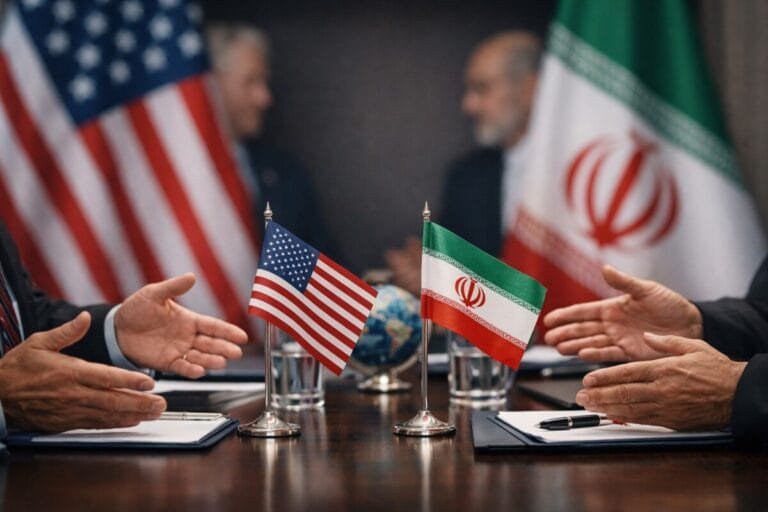
The report explained that access to financial resources and the easing of economic sanctions were Tehran’s two primary demands during the indirect talks. In contrast, President Donald Trump links any move to lift pressure or ease sanctions to reaching a comprehensive and decisive agreement on the security of the Strait of Hormuz, along with the surrender of the remaining Iranian nuclear materials.
A senior U.S. administration official told the website, “The Iranians want to stop the bombing and they want money, but it’s almost the reverse. They actually want the money first and foremost.” According to officials, the Iranian side made it clear in previous discussions with U.S. negotiators Jared Kushner and Steve Whitaker that access to frozen financial resources was their top priority. One source added succinctly, “They’re begging Steve and Jared for the money. They desperately need it.”
Trump’s military options and the pressure of ammunition stockpiles
On the other hand, another US official acknowledged in his interview with the website that sanctions and a naval blockade would take longer to force Tehran to the negotiating table than a large-scale air campaign, which Trump has so far refused to authorize. Another US official asserted, “The president has the ability to win either way. The United States can escalate this conflict militarily to its maximum extent, and it can also impose devastating economic sanctions on Iran.”
Regarding military operations, it’s worth noting that Donald Trump announced a halt to airstrikes inside Iran to allow diplomatic efforts a full opportunity. However, Axios sources reported that this decision also stemmed from a warning issued by General Dan Keane, Chairman of the Joint Chiefs of Staff, about the consequences of continued pressure on US weapons stockpiles under Central Command, particularly interceptor missiles intended for air defense.
In response to this point, a senior U.S. official described General Dan Keane’s warning as a standard part of normal military procedures and assessments. He explained, “The overall reserves have not been depleted or reduced to zero. When we look at the drawdowns of reserves around the world, we see risks, and we have to present these risks to the Commander-in-Chief. He ultimately makes the final decision.”