Washington, DC – Lebanon is anticipating a high-level meeting between Lebanese President Joseph Aoun and US President Donald Trump in Washington, DC. This visit comes at a time of rapidly escalating security developments in the region, particularly along the southern border. It is therefore considered one of the most significant diplomatic events for Lebanon in recent times.
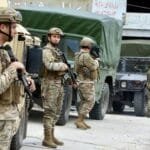
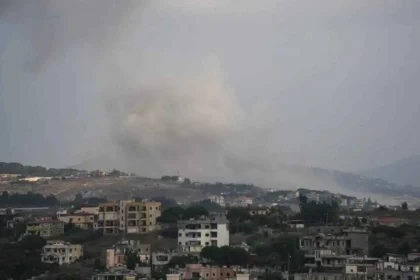
The meeting coincides with the launch of the first phase of the “pilot zones” project, which aims to test new mechanisms for enhancing stability in southern Lebanon. It also supports the expansion of the Lebanese army’s deployment in border areas and seeks to solidify the ceasefire agreement, with the goal of reducing tensions and preventing a resumption of military confrontations.
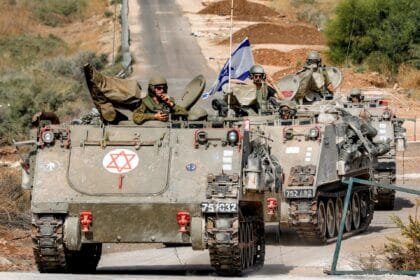
The two presidents are expected to discuss a number of priority issues, foremost among them the completion of the Israeli withdrawal from the remaining points inside Lebanese territory and the mechanisms for implementing existing security understandings. The meeting will also focus on strengthening military cooperation between Beirut and Washington and supporting the capabilities of the Lebanese army to enable it to fulfill its duties in maintaining security and stability.
The meeting will also address the political and economic situation in Lebanon and ways to enhance international support to help the country overcome its economic crisis. In addition, they will explore opportunities to expand cooperation in the areas of development and investment, which would positively impact reform efforts and the restoration of internal stability.
The meeting is attracting widespread regional and international attention, especially given the ongoing diplomatic efforts aimed at containing tensions in the Middle East. Observers view the summit as an opportunity to coordinate positions on the future of southern Lebanon and to bolster international efforts to prevent the region from sliding into a new confrontation. It also aims to support the path of de-escalation and maintain security and stability in Lebanon and the region.