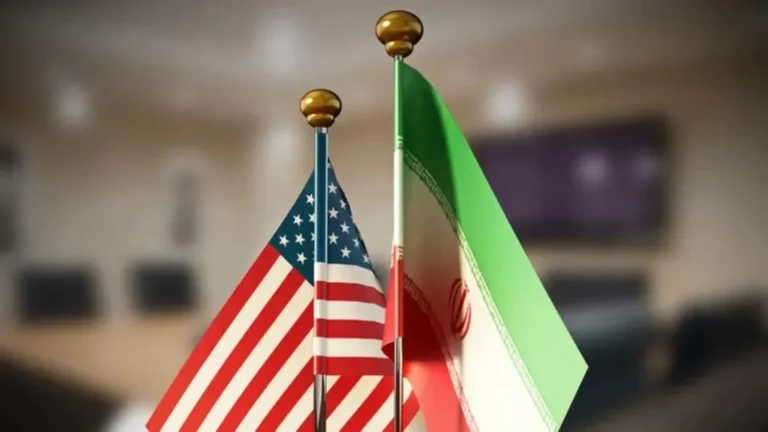
Islamabad, Pakistan – In an effort to salvage the fragile diplomatic track, diplomatic sources revealed to the Pakistani newspaper Dawn that the Pakistani capital, Islamabad, is emerging as a prime destination for the next round of technical negotiations between the United States and Iran, scheduled for July 11. The sources indicated that the second option under consideration is the Bürgenstock resort in Switzerland. However, Islamabad remains the most likely venue for this round.
These talks come as a follow-up to the “roadmap” established by the memorandum of understanding signed two weeks ago. That memorandum gave both sides 60 days to negotiate a comprehensive agreement addressing Iran’s nuclear program, sanctions relief, and frozen Iranian assets. The discussions are also expected to cover regional security. Specifically, they will address ensuring freedom of navigation in the Strait of Hormuz and consolidating the ceasefire in Lebanon.
Escalating tensions under the guise of diplomacy
Despite ongoing diplomatic efforts mediated by Qatar and Pakistan, tensions remain high. The two sides exchanged sharp accusations coinciding with the funeral of Iran’s late Supreme Leader, Ayatollah Ali Khamenei. During a speech commemorating the 250th anniversary of the founding of the United States, US President Donald Trump mocked the funeral, saying, “We gave Iran a week off for a funeral because we are nice,” while simultaneously claiming that Tehran “is desperate for stability” after what he described as “humiliating” defeats.
In response, Iran issued a decisive warning. Admiral Ali Ozmaei, commander of the Iranian Revolutionary Guard Corps Navy, threatened “divine retribution” against the United States and Israel. He also affirmed that the current course of action would continue with full force.
For his part, Iranian Deputy Foreign Minister Kazem Gharibabadi issued a stern warning to any “external powers” attempting a military show of force in the Strait of Hormuz. He emphasized that Tehran would not allow the strait to become a military theater and asserted that Iran is the sole guarantor of its security.
The debate over trade and sovereignty
On another front, Iranian Parliament Speaker Mohammad Bagher Ghalibaf rejected President Trump’s claims that Iran would purchase American agricultural products as part of any future peace agreement. Ghalibaf stated in a post on the “X” platform: “Imagine having nearly 40 million of your citizens dependent on food aid, and then you accuse another country of starvation,” emphasizing that “the reality has changed.” He added that post-war developments have forced Washington to acknowledge the new realities in the region.