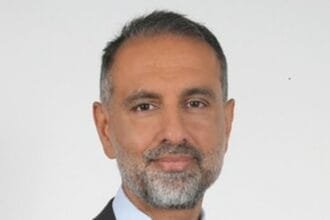
Tehran, Iran – Iranian Foreign Ministry spokesman Esmail Baghaei held the United States fully responsible for obstructing diplomatic efforts. He described Washington’s “sabotage and continuous violations” as the main factor hindering all negotiations between the two countries.
During his weekly press conference on Monday, May 4, 2026, Baghaei asserted that Washington’s “anti-diplomatic” approach has been clearly demonstrated since its unilateral withdrawal from the nuclear agreement in 2018. He also pointed to the direct military attacks launched by the US during the past two years, coinciding with rounds of negotiations.
The absence of American will and criticism of the International Atomic Energy Agency
Baqaei stressed that the current US administration’s lack of “genuine will” has prevented the success of any political process. He affirmed that Tehran currently prioritizes only one issue: “a complete and final cessation of hostilities.” He also strongly criticized the Director General of the International Atomic Energy Agency, accusing him of repeatedly making “false statements” against Iran. He explained that despite witnessing what he termed “American aggression,” the Director General aimed to undermine negotiations and create sharp divisions between Washington and its traditional allies.
Sovereignty of navigation in the Strait of Hormuz
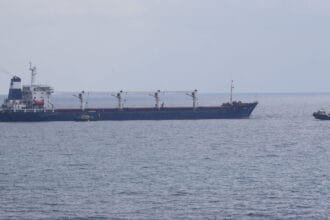
Regarding the security of waterways, Baghaei presented his country as the “sole guarantor of security and tranquility” in the Strait of Hormuz.
He commented on the recent US decision to remove some ships from the strait. Baghaei also warned that ensuring the safety of navigation and shipping companies necessarily requires “direct coordination with Iranian authorities.” He considered Europe’s refusal to cooperate with Washington in this regard as further evidence of the international community’s recognition of the “illegitimacy” of US actions in the region.
Iranian-Omani cooperation to secure traffic
At the regional level, the spokesperson revealed that negotiations are underway with the Sultanate of Oman, a coastal state partner in the Strait of Hormuz. These negotiations aim to establish specific protocols and mechanisms to ensure the safe passage of ships.
These talks also aim to develop technical and security frameworks that guarantee the smooth flow of global trade, free from external interference. This strengthens the sovereignty of coastal states over their vital waterways and ensures the sustainable stability of navigation.