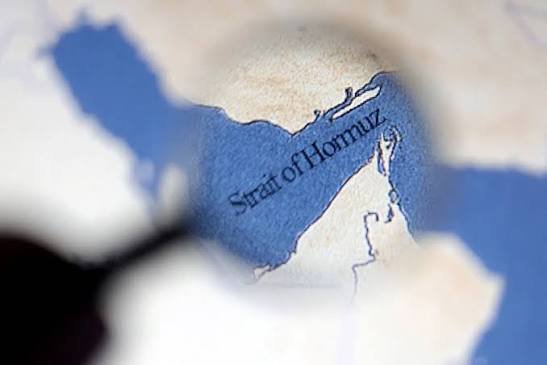
Muscat, Oman – In a diplomatic move aimed at regulating and ensuring the security of navigation in one of the world’s most important waterways, Iranian Deputy Foreign Minister for Legal and International Affairs, Kazem Gharibabadi, announced the convening of the first meeting of the Joint Committee on the Strait of Hormuz in the Omani capital, Muscat.
Gharibabadi confirmed in a post on the X platform that this historic meeting marks the beginning of a precise coordination process between Tehran and Muscat to discuss current issues related to the Strait of Hormuz. During the talks, the two sides focused on exchanging views regarding mechanisms for the future management of this vital waterway. Furthermore, they primarily relied on the provisions of the previously signed Islamabad Memorandum of Understanding, which serves as the regulatory framework for this cooperation.
Sovereign rights and maritime security
The issue of the “sovereign rights” of coastal states was a central focus of the committee’s discussions. Both sides emphasized the importance of protecting these rights while maintaining the smooth flow of international navigation. This step comes as the states bordering the strait seek common understandings to reduce tensions and keep the region out of the arena of international conflicts. The Sultanate of Oman plays this role as a mediator and a regional actor with balanced relations with all parties.
Implications of Iranian-Omani coordination
Observers believe that the formation of this committee reflects Tehran’s desire to strengthen “security diplomacy” in the Gulf region. This is especially significant given the complex geopolitical circumstances in the region.
Through the “Hormuz Committee,” Iran and Oman aim to establish a permanent communication mechanism to prevent any miscalculations in the waterway. It also seeks to ensure that the management of the Strait remains purely regional, free from external interference.