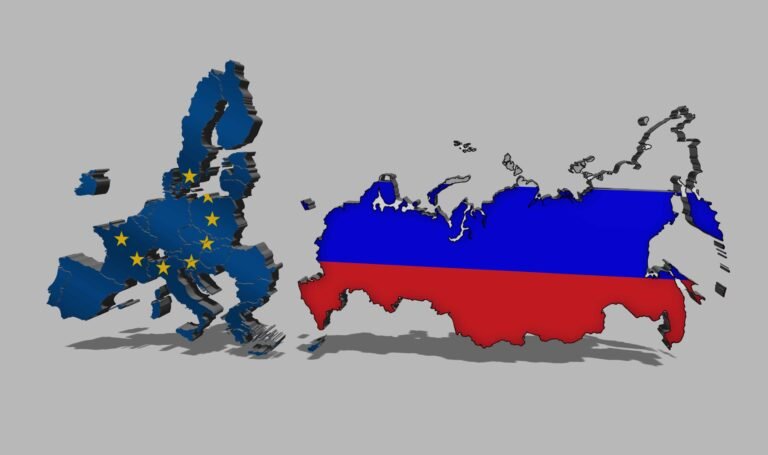
Brussels, Belgium – Political reports have revealed growing disagreements among European countries regarding the possibility of resuming direct dialogue with Moscow. This comes amid differing positions within the European Union on the best way to address the Russian-Western crisis and its security and economic repercussions.
According to diplomatic sources, some European countries believe that opening new channels of communication with Russia could contribute to reducing tensions. This would also enhance the chances of reaching understandings on a number of outstanding issues, particularly those related to European security, energy, and regional stability.
Conversely, other countries oppose any move toward resuming broad political dialogue with Moscow at present, arguing that current conditions are still unsuitable for such a step. They maintain that preserving a unified European position is a strategic priority at this stage.
Reports indicate that discussions within European institutions have revealed a clear divergence of views regarding the nature of the future relationship with Russia. This divergence exists between those advocating for a more flexible diplomatic approach and those clinging to policies of pressure and sanctions as a means of addressing existing contentious issues.
This division is also reflected in a number of issues related to security, defense, and energy. European governments face increasing challenges in balancing economic interests with national security requirements. Furthermore, they have political commitments within the European Union and with its allies.
Observers believe that the continued divergence in positions could pose additional challenges to efforts to formulate a unified European policy toward Moscow. This is especially true given the differing priorities of member states and their assessments of the risks and opportunities associated with any potential diplomatic opening.
Against this backdrop, European capitals are continuing their consultations regarding the future of their relationship with Russia. They are awaiting the outcome of these ongoing discussions and their impact on the continent’s political and security direction in the coming period.