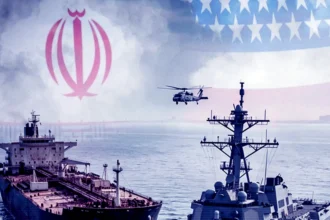
New Delhi, India – US Secretary of State Marco Rubio arrived in India on Saturday morning for a significant four-day official visit. His visit comes at a highly sensitive and complex time, amid escalating military tensions stemming from the potential conflict with Iran. The severe global energy crisis has also intensified, casting a shadow over international markets and vital shipping lanes.
The energy file tops the agenda of the Kolkata-Delhi talks.
The US Secretary of State began his tour by arriving in Kolkata, in eastern India, this morning local time. His intensive diplomatic trip is also scheduled to include key stops in the capital, New Delhi. He will also visit Jaipur and Agra.
Energy supplies and securing international shipping lanes will be the central and most important focus of all his upcoming meetings with Indian leaders and officials. Rubio is scheduled to meet with Indian Prime Minister Narendra Modi. They will discuss mechanisms for strengthening bilateral cooperation and building resilient strategic partnerships capable of addressing supply shortages and the risks of military escalation.
India’s economic fragility in the face of the Hormuz crisis
This visit is of paramount importance to New Delhi, as India is among the emerging countries and markets most affected by recent security restrictions and threats. These restrictions have impacted maritime traffic through the strategic Strait of Hormuz.
India imports over 80% of its massive annual energy and fuel needs. Its population of over 1.4 billion relies entirely on these imports for essential daily fuel supplies, including cooking gas, petroleum products, and the fossil fuels needed to power production and factories.
The alternative American offer to secure Asia’s needs
Marco Rubio had previously indicated, in press statements prior to his arrival, the severe structural and security challenges facing Asia’s third-largest economy due to the disruption of traditional shipping routes. He stated, “We understand the scale of the challenges, and therefore we want to sell India as much energy supplies, gas, and oil as it wants to buy and consume.”
As you have recently seen and followed, US energy production and export volumes are currently at unprecedented historical highs. This clearly signaled Washington’s desire to present itself as a safe and sustainable alternative to compensate for the severe shortages caused by escalating regional geopolitical tensions.