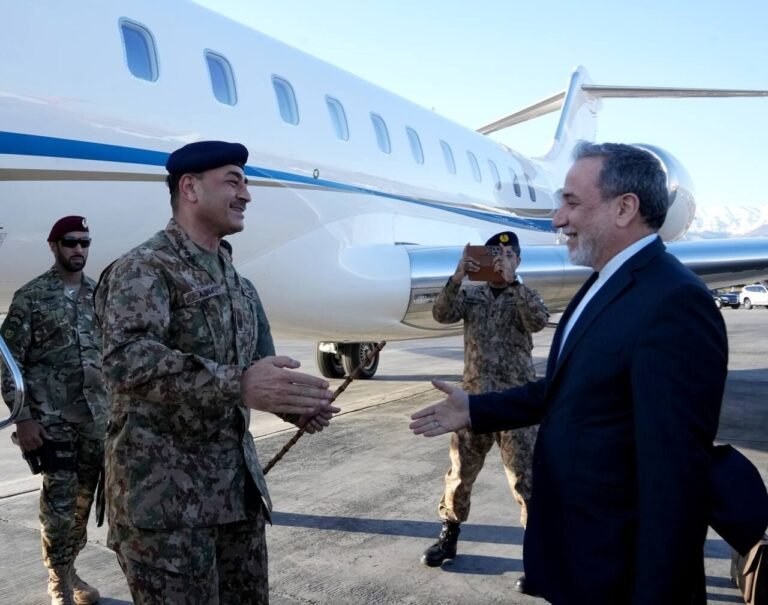
Tehran, Iran – Pakistani Army Chief General Asim Munir held high-level talks with Iranian Foreign Minister Abbas Araqchi in Tehran on Friday evening, Iranian state media reported Saturday. This comes as Islamabad intensifies its diplomatic efforts to mediate between Iran and the United States to prevent a further deterioration of tensions.
Intensive nighttime talks and ongoing mediation efforts
The official Iranian news agency IRNA reported that the two sides exchanged in-depth views on the latest diplomatic initiatives aimed at preventing further escalation and ending the state of war with Iran during closed-door talks that lasted late into the night.
Upon arrival, the Pakistani army chief of staff and his accompanying delegation were received by Iranian Interior Minister Eskandar Momeni. The Pakistani military’s public relations department described the visit as a key part of ongoing mediation efforts to bridge the gap between Washington and Tehran, particularly after Pakistan hosted a round of negotiations last month that ended without achieving the desired breakthrough.
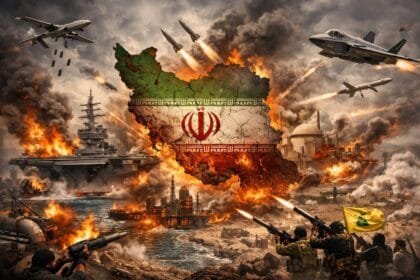
This move is based on the ceasefire agreement in effect since April 8, which ended the large-scale military escalation in the war launched by the United States and Israel on February 28. However, ongoing negotiations have not yet led to a lasting and stable peace agreement.
Trump’s warnings and the diplomatic impasse
The Pakistani delegation’s visit comes a day after US President Donald Trump issued stark warnings, asserting that the talks are currently at a true “crossroads” between reaching a final agreement or resuming military strikes. Trump told reporters, “If we don’t get the right answers, things will go very, very wrong… We are all ready.” Meanwhile, his Secretary of State, Marco Rubio, expressed hope that Pakistani efforts would help move things forward, indicating the possibility of progress.
Mutual accusations and disputes over the Strait of Hormuz
Under the current ceasefire, a bitter war of words has replaced open armed conflict, casting a long shadow over the global economy.
As Pakistani Interior Minister Mohsin Naqvi arrived in Tehran for the second time in as many days, and as Iran announced it was considering a new US response, Iranian Parliament Speaker Mohammad Bagher Ghalibaf accused Washington of seeking to reignite the war. He also warned of a “strong and devastating response” if his country were attacked.
The core disagreements between the two sides center on three complex issues: Iran’s nuclear program, the economic sanctions imposed on Tehran, and the restrictions on navigation through the strategic Strait of Hormuz. The future of the Strait of Hormuz, through which approximately one-fifth of the world’s oil and liquefied natural gas supplies pass, is the main and most critical point of contention in the negotiations. This comes amid growing international concerns that the global economy could enter a severe recession due to declining oil reserves should fighting resume.