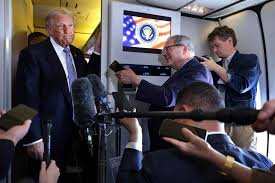
Washington, DC – In an unprecedented move that could cast a new shadow over the already complex relationship between Washington and Beijing, US President Donald Trump told reporters on Wednesday that he intends to speak directly with Taiwanese President Ley Ching-te. The aim would be to discuss a potential defensive arms sale to the island.
Trump stated, “I will speak with him. I speak with everyone, and we will work hard to resolve this issue, specifically the Taiwan issue.”
In response to these developments, the Taiwanese Foreign Ministry quickly welcomed the move, stating that President Lai was very much open to direct communication with the US president, according to Reuters.
Arms sales as a bargaining chip
These surprising remarks came in the wake of the US-China summit, where Trump hinted that proceeding with additional arms sales to Taipei “depends primarily on China’s behavior.” With his characteristic pragmatism, he affirmed that the issue of arming Taiwan represents “a very good bargaining chip for us” in managing outstanding issues with Beijing.
Taiwan relies heavily on U.S. military and political support to deter any potential Chinese invasion or attack. At the same time, Taipei faces intense pressure from the Trump administration to increase its defense spending. It is also being urged to make significant investments in U.S. defense manufacturers.
The delicate balance and strategic ambiguity
Despite Washington’s continued support for the island and its strict legal obligation to provide it with all means of self-defense, the US administration constantly finds itself compelled to maintain a delicate and cautious balance in its diplomatic relations with China. China considers Taiwan an integral part of its territory.
This move has intensified speculation, especially given the historically ambiguous US position regarding whether American forces would intervene militarily to defend Taipei in the event of an attack from Beijing, or whether they would limit themselves to supplying equipment and weapons.