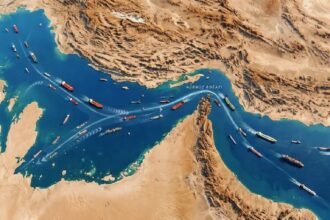
New York, USA – US Secretary of State Marco Rubio described a new draft resolution submitted by the United States to the United Nations demanding that Iran cease its attacks and mine-laying activities in the Strait of Hormuz as a “real test” of the international organization’s effectiveness and ability to curb global threats. Rubio also urged both China and Russia not to repeat their veto against the current diplomatic effort. He emphasized that stability in this vital waterway is in everyone’s interest.
Intensive diplomatic efforts under Chapter VII
On Tuesday, members of the UN Security Council began closed-door talks on a draft resolution prepared by the United States in coordination with Bahrain, Saudi Arabia, the United Arab Emirates, Kuwait, and Qatar. If adopted, the resolution would impose tougher economic and diplomatic sanctions on Tehran. It could also authorize the use of military force as a last resort if Iran does not cease its threats to commercial shipping.
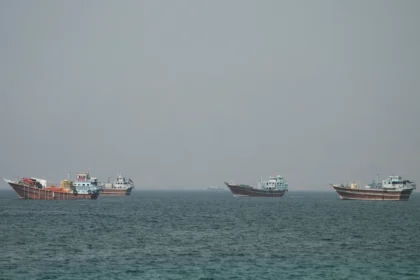
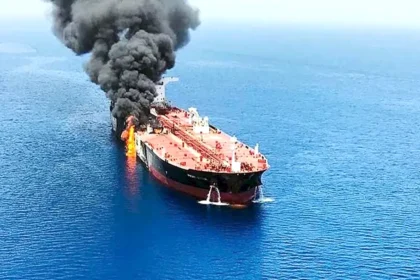
This move comes after a dangerous escalation on Monday, when US forces destroyed six Iranian boats. Iranian missiles also struck an oil port in the UAE. This tension threatens the fragile ceasefire that began four weeks ago and increases the risk of a reciprocal naval blockade in the world’s energy lifeline.
Flexibility in wording and rigor in objectives
Rubio noted that the new draft resolution takes a more cautious approach compared to the one submitted by Bahrain last March, which was vetoed by Russia and China. He also explained that the new text avoids explicit language authorizing the immediate use of force. However, it remains firmly under Chapter VII of the UN Charter. This chapter grants the Security Council broad powers to enforce international law, ranging from sanctions to military action.
Rubio told reporters at the White House, “We made minor adjustments to the wording to avoid a diplomatic confrontation, but it remains a real test of the United Nations as an effective body.” He added, “We made it clear to the Chinese and the Russians that it is in their best interest not to close international waterways, and the resulting global economic chaos.”
Resolution provisions and the future of navigation
The draft resolution condemns Iran’s violations of the ceasefire and its attempts to close the Strait of Hormuz or impose illegal transit fees by laying naval mines. It also demands that Iran immediately cease all attacks against ships, disclose the locations of mines, and refrain from obstructing their removal. Furthermore, it calls for cooperation in establishing a humanitarian corridor to ensure the delivery of aid, fertilizers, and essential goods. The UN Secretary-General is to submit a report within 30 days on Tehran’s compliance. If no progress is made, the Council will convene to consider further measures.
Parallel maritime alliances
In parallel with the UN-led process, Washington circulated a proposal to form a “Maritime Freedom Coalition,” a multinational security framework aimed at securing navigation in coordination with European missions.
Despite US hopes to conclude negotiations by May 8, the Chinese and Russian positions remain tentative. The Chinese mission stated that it is “still evaluating the draft.” Therefore, next week will be crucial for the future of security in the Middle East.