Doha, Qatar – Qatar warned today of the dangers of current tensions between the United States and Iran escalating into a “frozen conflict.” It emphasized that the continued political stalemate poses a persistent threat that could erupt at any moment.
This stance comes as the region awaits the outcome of intensive diplomatic efforts led by Doha and other regional capitals to prevent the region from sliding into a full-blown confrontation.
A firm rejection of closing the Strait of Hormuz
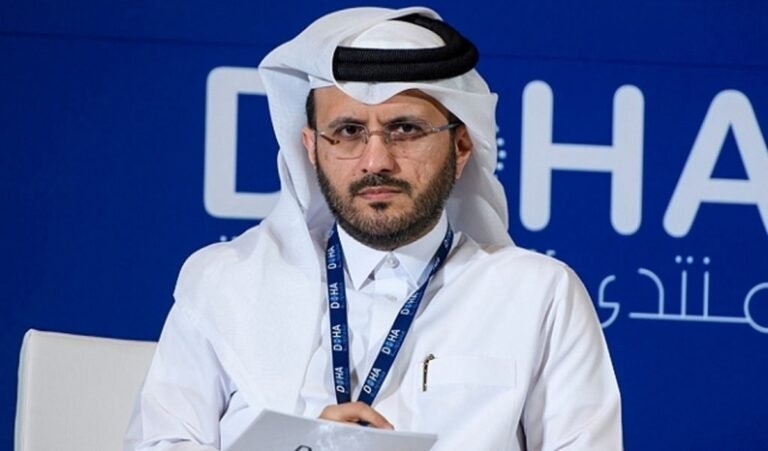
In a weekly press briefing, Qatari Foreign Ministry spokesman Majid Al-Ansari stressed that Qatar is striving to reach a final and comprehensive solution to the conflict. He explained, “We do not want a return to hostilities, nor do we want to see a frozen conflict reignited whenever there is a political pretext.”
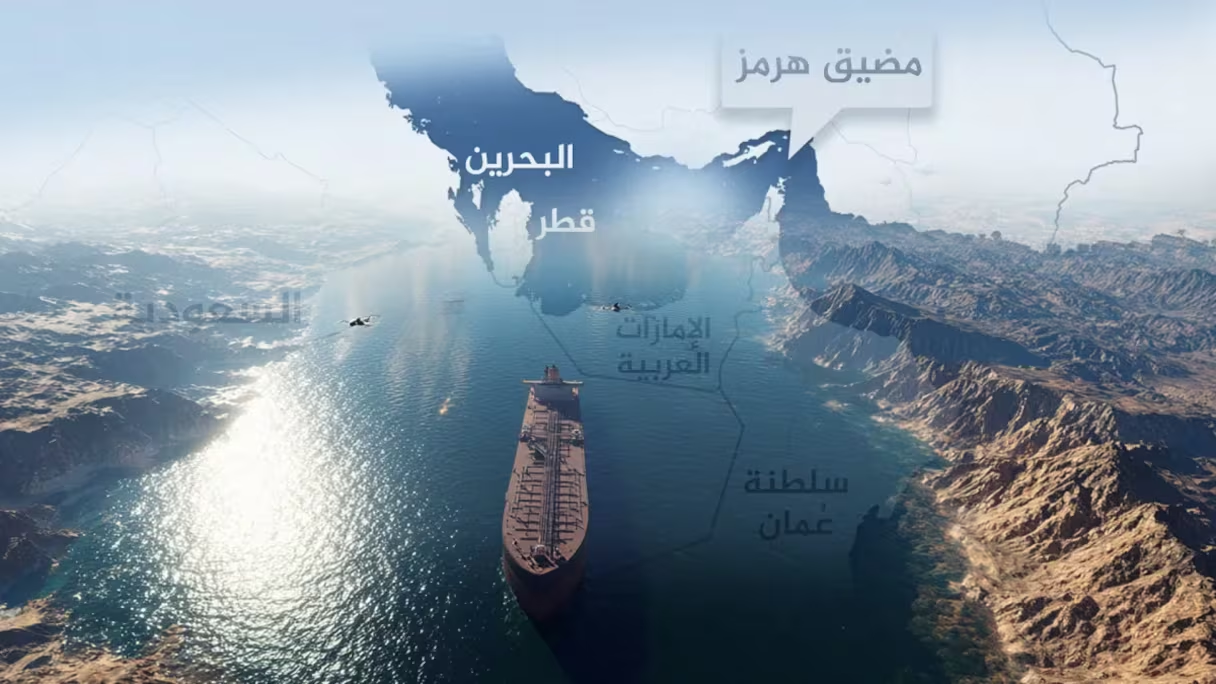
Al-Ansari affirmed Doha’s categorical rejection of any threat to the safety of navigation in the Strait of Hormuz. He considered its closure or the prevention of shipping through it “unacceptable in any way,” given its vital importance and the fact that it cannot be compromised.
Economic repercussions and international coordination
The spokesperson noted that the continued tension in the Strait of Hormuz has cast a long shadow over global energy security and supply chains, leading to severe economic repercussions worldwide.
He affirmed that Qatar has taken all necessary measures to counter any attacks, while reserving its right to protect its sovereignty. In the context of mediation efforts, Al-Ansari reiterated his country’s full support for Pakistan’s role as mediator. He also confirmed that Qatar is engaged in high-level coordination with various parties to ensure a ceasefire.
Unified Gulf action at the “Jeddah Summit”
These statements coincided with the start of an extraordinary consultative summit of Gulf Cooperation Council (GCC) leaders in Jeddah, Saudi Arabia. Al-Ansari clarified that the Gulf position remains firm in supporting the diplomatic track as the only solution to the crisis. At the same time, the leaders at their summit are seeking to establish stability mechanisms that guarantee the protection of shared interests. These mechanisms aim to prevent the region from becoming an arena of protracted conflicts that would destroy the gains of development.