Beirut, Lebanon – Questions are mounting about the fate of the fragile truce in southern Lebanon, as Israeli military escalation and cross-border shelling continue. This escalation threatens to plunge the situation into a wider confrontation that could extend beyond limited clashes.
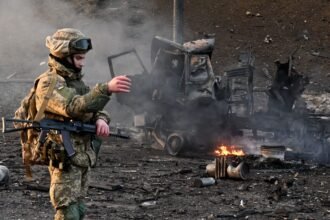
Recent days have witnessed a marked increase in the pace of operations, with Israeli forces carrying out strikes targeting sites in southern Lebanon. In response, armed factions have launched rockets across the border, amid international warnings of a rapid deterioration in the security situation.
According to field sources, the undeclared truce that had been regulating the pace of clashes is now seriously threatened. This is particularly due to the widening scope of targets and the escalating political and military rhetoric from both sides.
Analysts believe that the continuation of this escalation reflects the failure of diplomatic efforts to establish a lasting ceasefire. This is also occurring amidst regional complexities and the interconnectedness of the conflict, making any temporary lull vulnerable to collapse at any moment.
In response, international actors, led by the United Nations, are intensifying their efforts to contain the situation and prevent further escalation. They are also calling for adherence to Resolution 1701 and a cessation of all hostilities.
Observers fear that continued escalation could lead to serious humanitarian consequences. This concern is particularly evident in border areas, which are experiencing increasing displacement and a decline in basic services. This comes at a time when Lebanon is already grappling with a severe economic crisis.
All eyes remain on the coming days, given the absence of any clear signs of de-escalation. Therefore, the current truce in Lebanon is becoming more of a temporary lull that could end at any moment if genuine efforts are not made to contain the escalation and reset the rules of engagement.