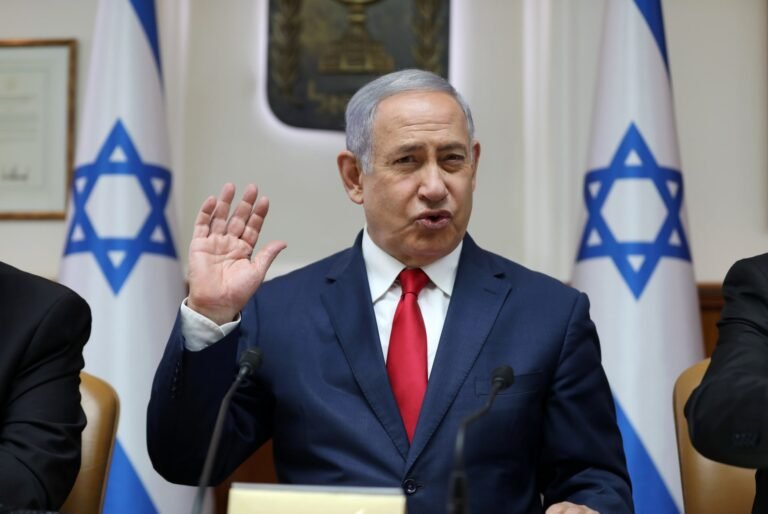
Tel Aviv, Israel – Israeli Prime Minister Benjamin Netanyahu made striking remarks on Tuesday, outlining the next phase of the regional conflict and asserting that the confrontation with Tehran and its allies is far from over. This came despite what he described as recent “strategic achievements” by the Israeli military and security establishment.
Between removing the threat and continuing the confrontation
In a message to the Israeli public, details of which were published by The Times of Israel, Netanyahu stated that “the war against Iran and its proxies is not over.” He also warned against complacency amidst the ongoing tensions. However, the Israeli prime minister asserted that his country had successfully navigated the most dangerous phase. He indicated that “Israel has managed to eliminate the existential threat posed by the Iranian axis” to the country’s security and stability. These statements come at a sensitive time, as the region witnesses intense diplomatic activity, particularly with reports of potential peace talks in Islamabad. This suggests that Netanyahu is seeking to establish a “victory image,” seemingly before engaging in any broader regional agreements.
The hostage file and military force
In a review of the military operations, Netanyahu claimed to have achieved the war’s main objectives. “We have brought back all our hostages,” he said, referring to the issue of Israelis held captive in the Gaza Strip. He attributed this outcome to military pressure.
He also emphasized that the Israeli army had inflicted “significant damage on the enemy” on various fronts. This included operations in the south and targeted strikes against the infrastructure and leadership of Iranian-backed factions.
Israel is “the strongest”
Netanyahu concluded his message by asserting that the recent security challenges, despite their severity, have contributed to strengthening Israel’s deterrence. He also claimed that “Israel is stronger today than ever before.”
Observers believe this speech is primarily aimed at reassuring the Israeli public and bolstering the government’s negotiating position with international mediators. However, it also maintains a state of alert to address any emergencies that might arise from the breakdown of diplomatic efforts with Tehran. Netanyahu’s words reflect a determination to continue the “campaign between wars” strategy. This aims to ensure that the Iranian axis does not regain its offensive capabilities, even amidst talk of de-escalation or imminent agreements.