Europe – Amidst the rapid transformations on the international stage, the US policy of projecting influence is resurfacing forcefully. The Venezuelan crisis has revealed a new – yet old – facet of political and economic pressure. This coincided with statements and threats made by US President Donald Trump regarding Greenland, reviving the logic of control and the redrawing of spheres of influence.
The Venezuelan crisis was not merely a passing political dispute, but a clear example of how Washington manages its foreign conflicts. This has been achieved through crippling economic sanctions, political blockades, and the constant threat of military action. All of this has been done to protect strategic interests, primarily energy and influence in Latin America.
The Greenland issue, which has sparked widespread controversy in Europe, reveals a political mindset that views sovereignty as a mere detail to be disregarded if it conflicts with broader interests. The island, part of Denmark, occupies a highly sensitive strategic location and possesses promising natural resources, making it a focal point in the struggle between major powers, particularly with the escalating international competition in the Arctic.
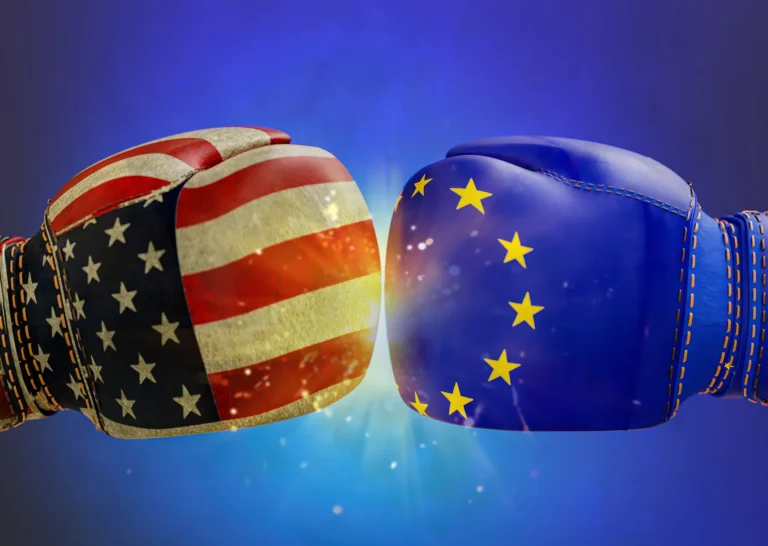
These facts raise questions about the future of Europe itself: Could the continent become an arena for increasing American pressure? This is especially pertinent given the recurring disagreements over sharing the defense burden within NATO. There is also pressure to increase military spending, alongside sharp differences regarding energy issues and relations with Russia and China.
Analysts believe that Europe, despite its economic and political weight, is not immune to this type of pressure. While it may be far from a scenario of direct intervention like that in Venezuela, the real danger lies in shrinking the margin for independent decision-making. It also lies in pushing European capitals to align themselves completely with the American vision on sensitive international issues.
In contrast, some European countries are trying to promote the concept of “strategic independence.” They are also attempting to build self-reliance in the areas of defense and foreign policy. However, these efforts are hampered by deep internal divisions and a long-standing historical dependence on the American security umbrella.
Ultimately, Europe appears to be at a crucial crossroads. It can either strengthen its unity and solidify its political decision-making, or continue to be a passive recipient of pressure. This is happening in a world that no longer recognizes anything but the language of power and interests, regardless of changing titles and slogans.