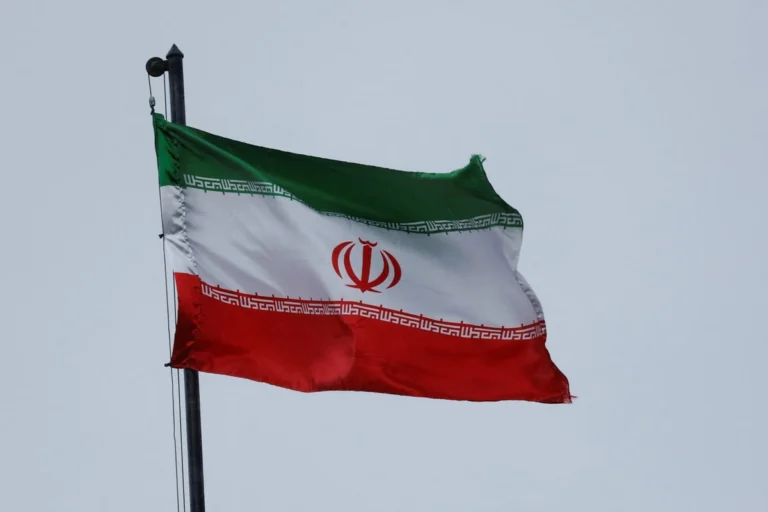
Tehran, Iran – Iran confirmed on Tuesday its full readiness to reciprocate if the United States adheres to its commitments under the temporary ceasefire agreement reached by both sides last June to end the war. These statements come as regional political and military tensions spike following explicit threats by US President Donald Trump to launch new military strikes against Tehran.
Iranian sources stated that Tehran remains prepared to fulfill its obligations under the temporary framework, provided Washington strictly complies with the agreed terms, warning that any new US military move will face a proportional Iranian response. These firm stances follow the latest direct exchange of strikes between the two nations, renewing global fears of a wider military confrontation across the region.
Rising Tensions Around the Strait of Hormuz and Oil Volatility
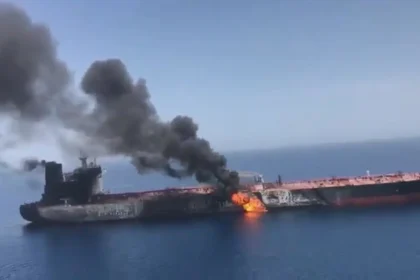
The military and political escalation coincided with a sharp surge in global oil prices following reports that two supertankers were targeted while departing the vital Strait of Hormuz. Reports indicated that Iran has effectively closed the strategic waterway to maritime navigation, sparking severe concerns regarding global energy supply security and potential international market disruptions.
Fears of Renewed Conflict and Economic Reassurance
This escalating friction interrupts a period of relative calm following the temporary agreement between Washington and Tehran, as hostile rhetoric threatens to push the region back into direct confrontation. Trump had signaled potential further military strikes against Iranian targets, while Tehran maintained that it will not hesitate to retaliate against any attack on its territory or strategic interests.
Amid these complex developments, the Governor of the Central Bank of Iran sought to reassure domestic and international markets, confirming that the country maintains sufficient foreign currency reserves. These remarks aim to underscore the Iranian economy’s resilience in coping with military escalation, ongoing sanctions, and potential disruptions to international trade and energy corridors.