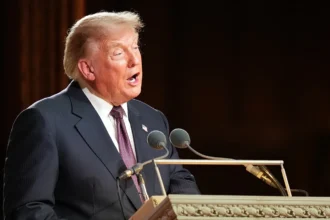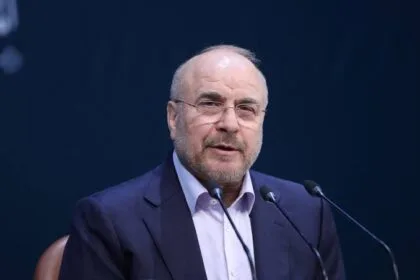
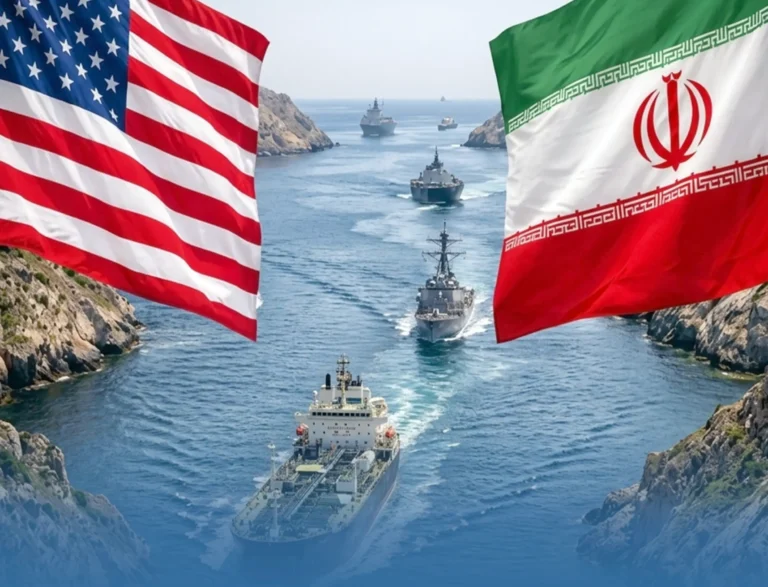
Tehran, Iran — Iranian officials issued a sharp response to US President Donald Trump over control of the strategic passage, stating that sovereignty over the waterway cannot be seized through social media posts or naval carrier deployments. Consequently, Iranian Deputy Foreign Minister Kazem Gharibabadi noted in TRT World coverage that opening or closing the corridor remains strictly an Iranian decision. Furthermore, officials insisted that Washington must acknowledge its military setbacks and address Iranian core demands before normal transit resumes.
Iranian diplomats emphasized that repeated rhetoric from Washington will not alter the operational reality inside the strategic channel. Additionally, Tehran called on the US administration to abandon aggressive posturing and halt further military buildup in Gulf waters.
Diplomatic Stance and Conditions for Reopening Strait of Hormuz
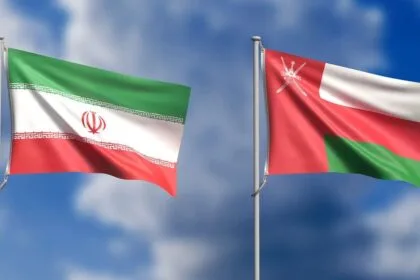
On the other hand, Iranian Foreign Minister Abbas Araghchi clarified that technical talks with Oman regarding a temporary shipping lane are progressing. Additionally, analysis by The Washington Post indicates that finalizing a maritime arrangement with Oman does not automatically signal the reopening of the strategic channel without US sanctions relief and war damages compensation.
Consequently, Tehran maintains that direct negotiations with Washington have not officially resumed, leaving communication limited to intermediary channels through regional partners. Ultimately, Iranian leadership insists on comprehensive economic and security guarantees before permitting unrestricted maritime traffic.
Finally, the standoff demonstrates how maritime stability remains tied to broader diplomatic resolutions. Ultimately, resolving the shipping crisis requires clear commitments from all parties involved in the conflict.