London, UK – The Royal Navy issued a warning regarding intensified Russian naval activity in waters surrounding the United Kingdom, following a 21-day tracking deployment during July. Consequently, these developments highlight escalating maritime tensions and heightened defense readiness to monitor Russian movements across the Strait of Dover and the North Sea.
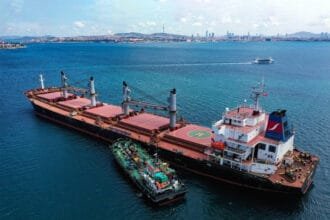
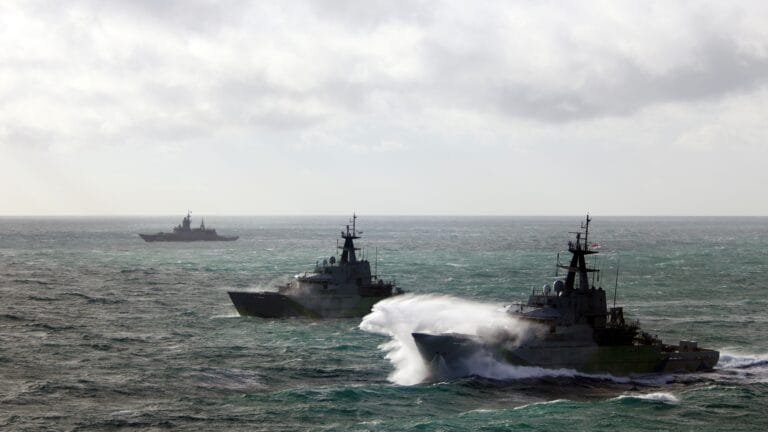
Furthermore, the UK Ministry of Defence reported a 25% year-on-year increase in surveillance operations for July, deploying patrol vessels HMS Tyne, HMS Mersey, and HMS Severn alongside Wildcat helicopters and Merlin anti-submarine aircraft. As a result, British forces successfully tracked Russian frigates Nestrashimy and Admiral Grigorovich as they escorted “shadow fleet” oil tankers operating to evade international sanctions.
Operational Strain on Russian Navy and Critical Infrastructure Defense
On the other hand, official military data indicates that the Royal Navy conducted 116 tracking operations in the year ending March 2026, monitoring dozens of Russian naval and commercial vessels. Specifically, UK officials note that tasking frontline warships to guard shadow fleet tankers consumes critical operational capacity from Moscow’s naval forces.
Additionally, British security officials remain deeply concerned about potential threats to critical undersea infrastructure following the detection of the Russian reconnaissance vessel Yantar near subsea cables off Scotland. Consequently, protecting maritime communication links and energy networks has become a central priority within the UK’s broader national defense strategy.
Finally, the surge in Russian maritime activity represents a shifting threat landscape for UK national security. Ultimately, sustained surveillance capabilities and proactive defense of subsea infrastructure will remain essential to maintaining regional maritime stability.