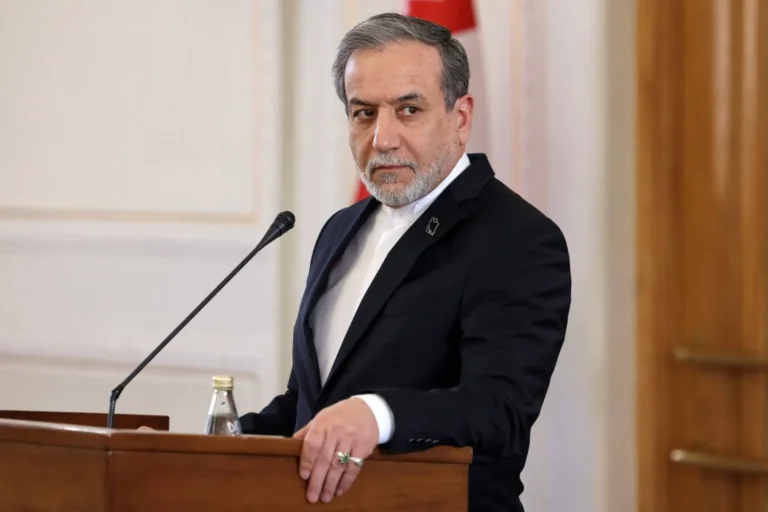
Tehran, Iran – Iranian Foreign Minister Abbas Araqchi affirmed that his country will remain steadfast in the face of all external pressures. The minister asserted that Iran is firmly committed to the path of resistance. In addition, he said Iran will never forget the crimes committed against it by the United States and Israel. Speaking at the opening of the “Muharram and Ashura in the Mirror of Foreign Ministry Documents” event, Araqchi stated that this year’s Muharram and Ashura commemorations in Iran have a unique character and significance. This is because the nation has been the target of a brutal and direct aggression by the United States and the Zionist entity. Furthermore, a constellation of martyrs has sacrificed their lives for freedom and dignity.
Significance of commemorating Ashura and (clarification) of the doctrinal position
Araghchi emphasized that the value of nations is not measured by the pursuit of hegemony, but by their willingness to sacrifice for justice and human dignity. He added, “We have learned from the school of Imam Hussein that dying with dignity is a hundred times more honorable than living in humiliation, and retreat destroys national identity.” He affirmed his unwavering commitment to the Supreme Leader, Ayatollah Ali Khamenei. Moreover, he also stressed that Tehran will not forget the blood of its sons that was unjustly shed.
Strict conditions set by the National Security Council for opening the Strait of Hormuz
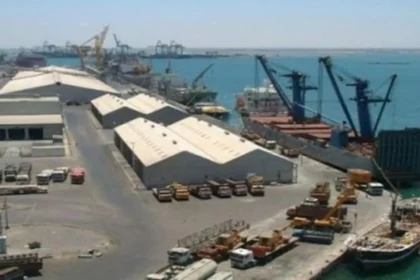
In a related development concerning the Iranian escalation, Mohammad Baqer Zolghadr, Secretary of Iran’s Supreme National Security Council, declared in a hardline stance that the strategic Strait of Hormuz would not be reopened. He insisted that its shipping traffic would not return to normal. However, this would not occur until Washington agreed to six stringent conditions.
The “correcting America’s behavior” clauses and Western reactions
According to the Iranian Students’ News Agency (ISNA), these conditions, dubbed “correcting America’s behavior,” include halting threats and military operations against Iran and its allies in Lebanon, Palestine, Yemen, and Iraq. They also include ending the naval blockade of Iranian ports and withdrawing US naval and air forces from Iranian waters. Furthermore, they include paying war reparations, lifting sanctions, and immediately releasing frozen assets. The Financial Times commented that these conditions reflect a shift toward a more hardline Iranian stance. This stance exceeds previous limits.