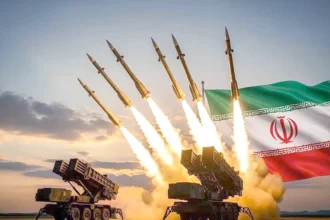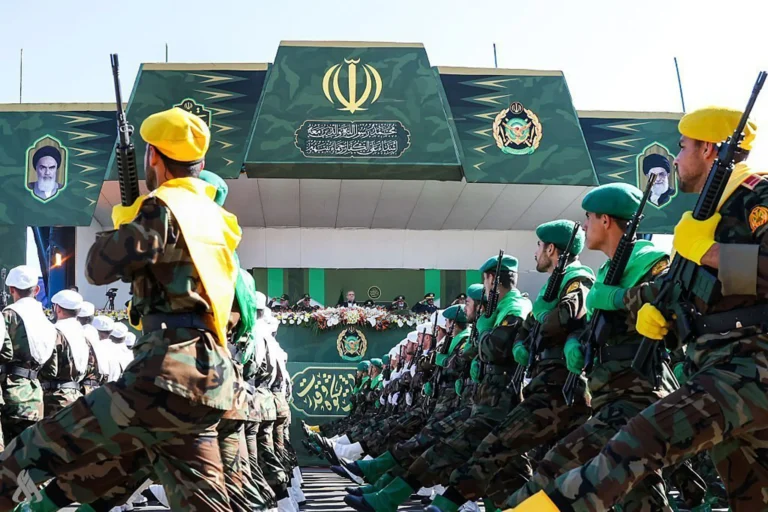
Tehran, Iran – Iranian media reported that three members of the Iranian Revolutionary Guard Corps were killed in US airstrikes targeting sites inside Iran.
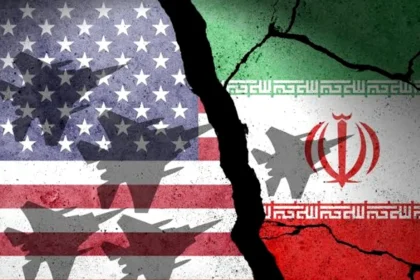
This marks a new development reflecting the ongoing military tensions between Washington and Tehran.
It also comes amid escalating tit-for-tat strikes and accusations regarding responsibility for destabilizing the region.
Airstrikes target Iranian sites
Iranian media reported that US airstrikes in recent hours killed three members of the Islamic Revolutionary Guard Corps (IRGC).
However, they did not disclose their identities or the locations where they were stationed.
Iranian authorities have yet to issue an official statement providing
further details regarding the extent of the casualties or the nature of the targets struck.
These airstrikes are part of a series of military operations in the region amid escalating tensions
between the United States and Iran, raising concerns about a wider conflict.
Tensions escalate between Washington and Tehran
Relations between the two countries are witnessing a stage of military and political escalation,
with the continued exchange of field messages and mutual accusations.
At the same time, Washington confirms that its operations aim to undermine Iranian military capabilities
and protect American interests and freedom of navigation in strategic sea lanes.
On the other hand, Iran asserts that the US strikes represent a violation of its sovereignty.
It also vows to respond to any attacks targeting its lands or forces.
This increases international concerns about the situation sliding into a broader confrontation.
Fears of a wider confrontation
Observers believe that the continued exchange of military strikes is raising tensions in the region.
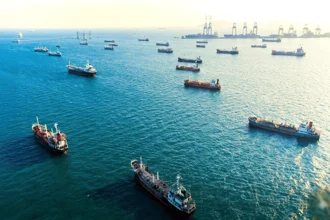
This is particularly concerning given the sensitive security situation in the Gulf and the Strait of Hormuz,
one of the world’s most important waterways for oil transport and trade.
The international community is closely watching developments in the coming hours.
In this context, calls for restraint and a return to diplomacy are growing, in order to avoid an escalation
that could negatively impact regional security and the stability of global energy markets.