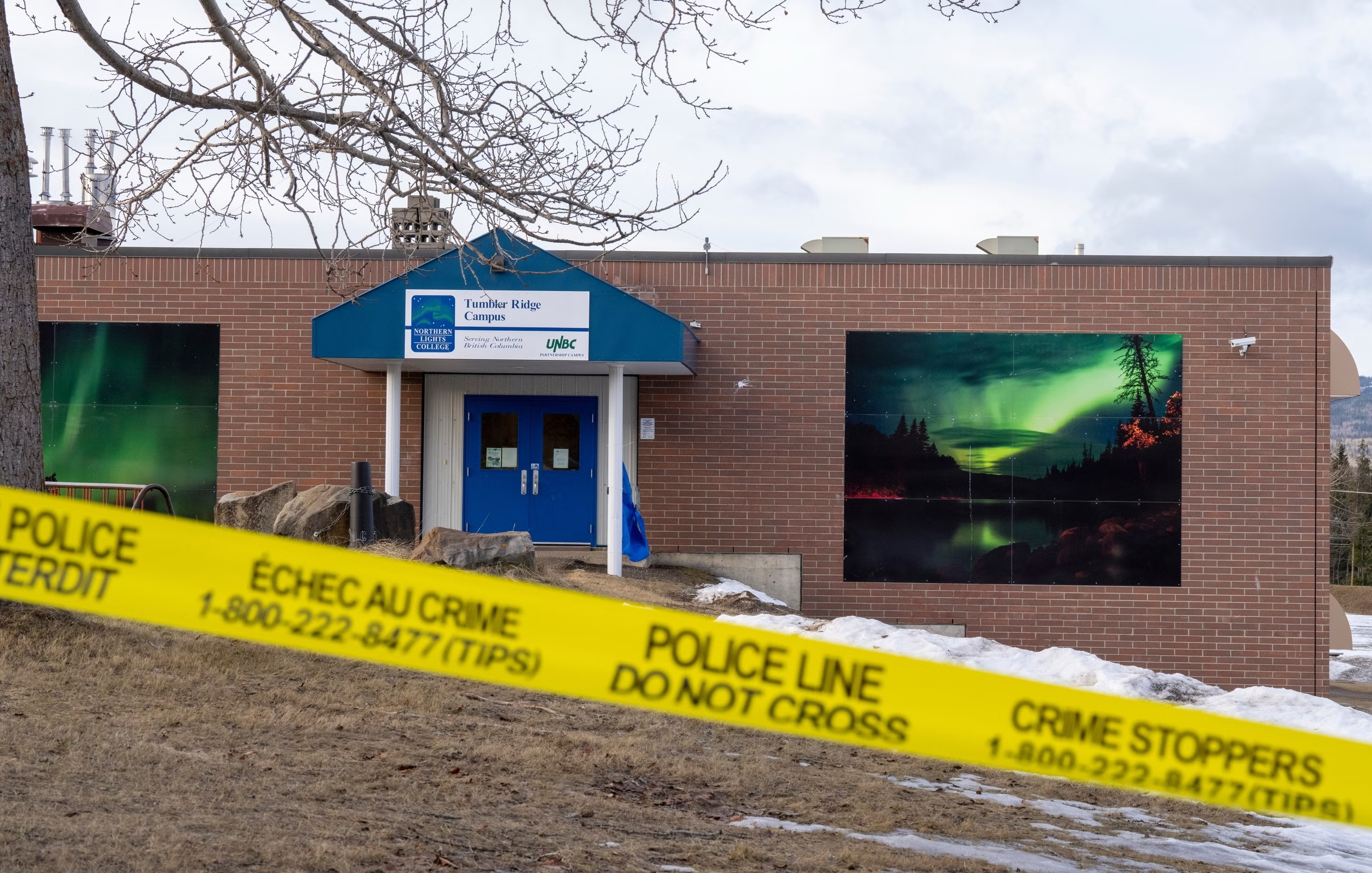
Vancouver – In an unprecedented legal move, the Canadian province of British Columbia announced its official plans to file a lawsuit against “OpenAI,” the developer of “ChatGPT.” The province aims to hold the company accountable for its indirect role in the tragic mass shooting that shook the town of “Tumbler Ridge” last February.
International Legal Actions and Compensation Claims
The province’s Attorney General, Niki Sharma, held a press conference in Vancouver on Tuesday, July 7, 2026. She revealed the appointment of a specialized legal team to take strict judicial action against the American company. Moreover, Sharma emphasized that this step stems from the utmost responsibility towards public safety. She stressed that no tech company or executive should be above legal accountability when it comes to protecting citizens’ lives.
The province explained that it has hired prominent law firms in Vancouver and in California, where OpenAI is headquartered, to ensure a review of all available legal avenues. The lawsuit aims to demand massive financial compensation from the company to cover the costs of rebuilding damaged school facilities. In addition, it seeks to cover the heavy government expenses incurred by the province in the aftermath of the incident. This lawsuit is proceeding separately and completely independently from the lawsuits previously filed by the victims’ families in US courts.
Details of the Tragedy and the Ethical AI Debate
The chapters of the horrific tragedy date back to February 10, when the town of Tumbler Ridge witnessed a shooting carried out by the 18-year-old suspect, “Jesse Van Rotsla,” who committed suicide after committing the crime. The incident resulted in the deaths of eight people, including a school staff member and five young children. In addition, 27 others were injured with varying degrees of severity.
A wide ethical and legal debate erupted regarding OpenAI’s responsibility after it was revealed that the suspect had used ChatGPT months before the crime to describe and develop armed violence scenarios. Security investigations indicated that the company’s automated review system detected these dangerous conversations and recommended reporting them to the competent authorities. However, the company decided at the time not to take any action or file a report with law enforcement agencies.
An Apology That Doesn’t Halt the Path of Justice
Although OpenAI CEO Sam Altman issued an official apology letter to a local newspaper in Tumbler Ridge last April, this apology did not stop the provincial government from moving forward forcefully with its judicial path. This exceptional case is a crucial legal test of the extent to which artificial intelligence companies are responsible for the content generated or received by users of their technologies. Especially when it relates to real and direct threats to national and public security.