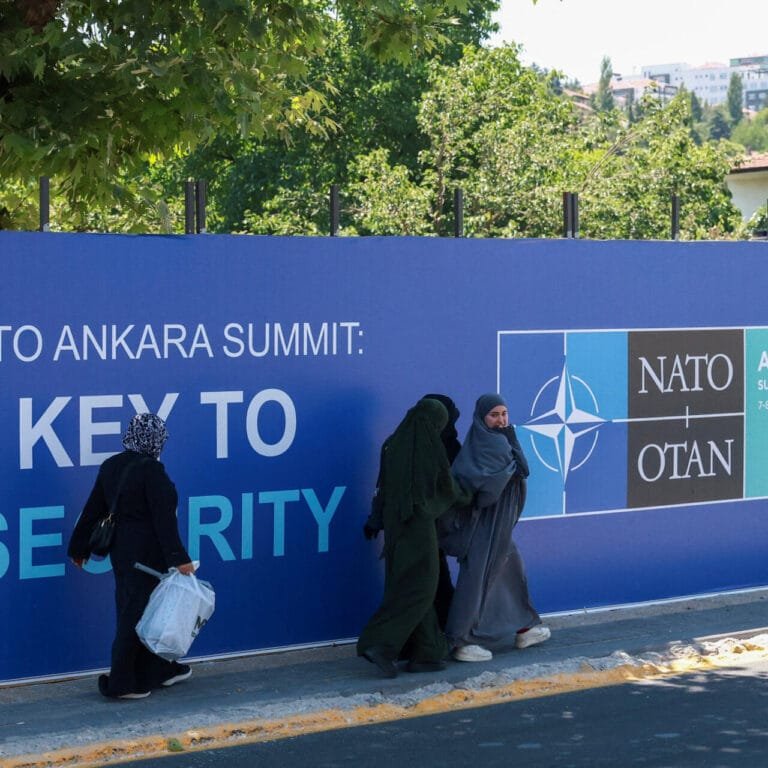
Ankara, Turkey – NATO Secretary-General Mark Rutte affirmed that the alliance’s current phase requires a fundamental shift from merely pledging increased defense spending to ensuring the actual provision of weapons. He emphasized the necessity of enhancing combat capabilities on the ground to face growing security challenges in the world.
In an exclusive press interview with the Wall Street Journal published on July 5th, Rutte clarified that the phase of making promises has ended. He added that the current focus is entirely on the necessity of fulfilling these commitments and transferring them from paper budgets to real military hardware.
Production Challenges Amid Rising Demand
Rutte’s statements come ahead of the highly anticipated NATO summit in the Turkish capital, Ankara, where he warned that the alliance’s defense industrial base is hitting its maximum production capacity limits. Figures indicate a massive jump in defense spending by member states outside the United States, reaching $574 billion last year with a twenty percent increase.
Germany stands out as a prominent example, having raised its spending by twenty-four percent to reach $114 billion, with plans to triple it by 2029. Despite the volume of orders received by US defense contractors, which amounted to $300 billion, the time gap remains the biggest challenge.
The current pace of production is still unable to keep up with the speed of the escalating demand for defense systems. This situation imposes an urgent need to restructure military supply chains and find innovative solutions to accelerate manufacturing processes.
Causes of Bottlenecks and Resource Fragmentation
The Secretary-General attributed this industrial bottleneck to the depletion of weapon and ammunition stockpiles as a result of the extended wars in Ukraine and Iran. These crises are accompanied by significant logistical constraints in recruiting and training new forces capable of using modern military technologies.
He also criticized the phenomenon of defense fragmentation, where member states prioritize developing similar weapons individually to protect their local industrial interests. This individualistic approach leads to an inefficient allocation of funds and the neglect of highly vital systems necessary for joint operations.
These lacking systems include advanced air defense technology, precision strike missiles, in addition to integrated information systems that support coordination between allied forces on the battlefield.
Production Agility and Moving Towards Readiness
In the context of his future vision, Rutte explained that the most important lesson from current conflicts lies in the ability to build agile production systems rather than just relying on traditional mass production. He pointed out that military technology changes and adapts at a rapid pace every two to three weeks.
These rapid changes require a swift and effective industrial response from all allies. The upcoming summit in Ankara is preparing to host a high-level industrial forum bringing together government officials and top executives in the defense sector to discuss these challenges.
The event is expected to witness the announcement of massive contract packages and joint production agreements aimed at accelerating NATO’s production pace. These steps are taken to ensure the alliance transitions from the phase of financial figures to a phase of full and sustainable combat readiness.