
New Delhi, India – Several Indian cities witnessed widespread protests organized by car owners and drivers rejecting the biofuel program that the government is expanding. These movements come amid serious concerns about the impact of this new fuel on vehicle performance and higher maintenance costs along with potential financial burdens.
Fears of Technical Breakdowns in Older Models
According to news agencies the protesters raised slogans demanding that the Indian government reconsider its plans to increase the use of biofuels. The demonstrators stressed that many cars especially older models may not be equipped to operate efficiently with higher percentages of ethanol blended with gasoline at the present time.
The drivers explained that using this type of fuel in unequipped vehicles could lead to frequent technical breakdowns and a noticeable increase in repair costs. The participants in the protests demanded the provision of government guarantees and fair compensation in the event that cars suffer any technical malfunctions directly related to the use of the new fuels.
Government Goals to Reduce Emissions and Support Farmers
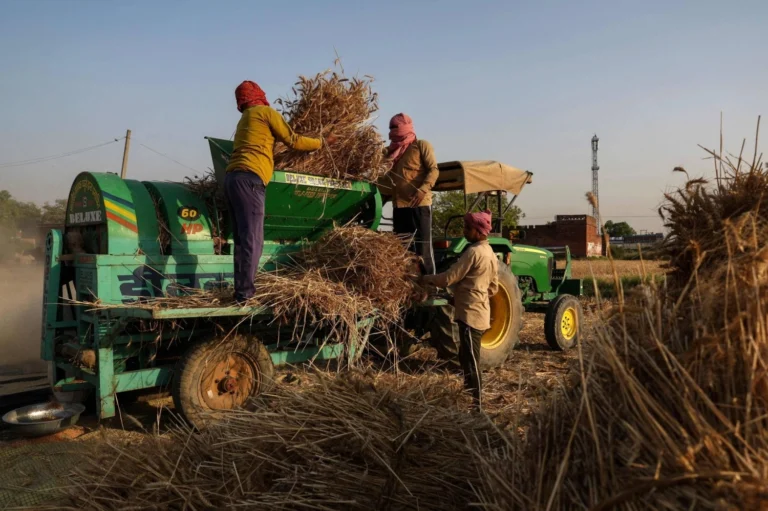
On the other hand the government program comes as part of India’s vigorous efforts to reduce continuous reliance on foreign oil imports and cut harmful carbon emissions. This is done through expanding the use of biofuels led by ethanol which is sustainably produced from agricultural crops and their residues.
The Indian government asserts that biofuels effectively contribute to reducing fossil fuel consumption and bring direct economic benefits to local farmers. This is achieved through increased demand for crops used in ethanol production in addition to its important role in improving air quality and supporting energy security.
Challenges of Balancing the Environment and Citizens Interests
The protesters demanded the necessity of conducting more comprehensive and reliable technical studies on the actual impact of biofuels on various types and models of vehicles used in the country. Observers believe that the biggest challenge facing the Indian government currently lies in striking a delicate balance between its ambitious environmental goals and sustainable energy plans.
This environmental shift must be accompanied by preserving the interests of millions of drivers and vehicle owners who fear bearing exorbitant additional costs as a result of implementing this program. The coming days remain crucial in determining the trajectory of this crisis and how the authorities will deal with the demands of the angry Indian street to avoid further escalation.