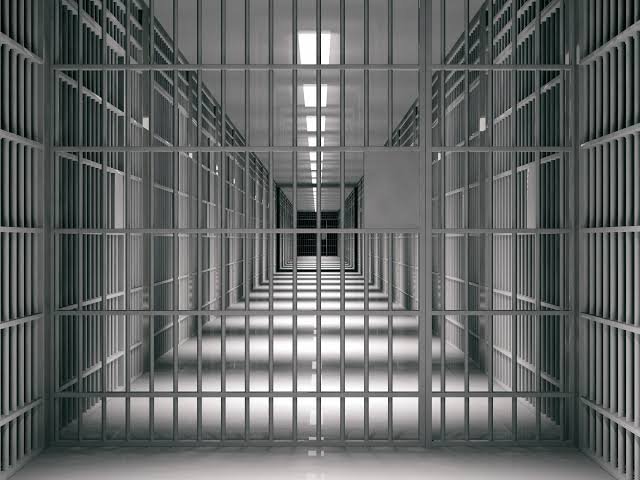
Panama City, Panama – The Panamanian government has announced the start of construction on a new, ultra-high-security prison, a move aimed at isolating the country’s most dangerous gang leaders and preventing them from directing their criminal activities from within prison walls. This comes as part of a broader security strategy to combat rising rates of violence and organized crime in the country.
Authorities confirmed that the new facility will feature stringent security measures and advanced surveillance technology. These measures include state-of-the-art electronic systems and 24-hour camera surveillance. In addition, there are strict restrictions on communication and visits. The goal is to prevent gang leaders from contacting their network members or issuing orders from inside the prison.
Officials explained that the prison will be dedicated to housing the most dangerous criminals involved in murder, drug trafficking, money laundering, and extortion. They also indicated that the goal is to dismantle the gangs’ leadership structure and reduce their influence within the penal system.
The project comes at a time when Panama is experiencing a surge in the activity of criminal groups linked to transnational drug trafficking networks. These groups exploit the country’s strategic geographic location. For this reason, the government has been pushing to tighten security measures and strengthen the capabilities of law enforcement agencies.
The government asserted that the new prison is part of a comprehensive plan to reform the penal system. This plan includes modernizing prison infrastructure and strengthening internal security measures, as well as preventing recruitment and coordination activities carried out by criminal gangs from behind bars.
However, the plan has sparked debate among human rights organizations. These organizations stressed the need to adhere to international standards for prisoners’ rights. They also demanded guarantees that the enhanced security measures do not lead to human rights violations. At the same time, they emphasized the importance of striking a balance between protecting public security and respecting the fundamental rights of detainees.