London, Britain – Joachim Clement, investment strategist at Panmure Liberum, warned that the cautious lull in the confrontation between the United States and Iran does not represent a path to lasting peace. Rather, it is merely a “temporary pause” dictated by US electoral calculations. In an analytical note published by Reuters, Clement asserted that the current pause may not withstand the pressures of domestic politics in Washington for long.
Energy weapon: A strategic pressure tool
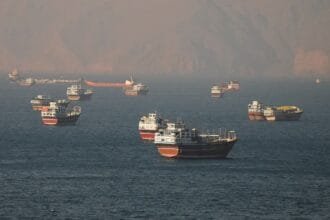
Clement argues that Iran still possesses vital leverage to influence the global energy market, exploiting its strategic control of the Strait of Hormuz. According to the analysis, US President Donald Trump accepted an interim agreement with Tehran as a tactical move. Its primary objective is to alleviate public pressure stemming from rising fuel prices, which are directly impacting his popularity ahead of the midterm congressional elections scheduled for November.
The analyst points out that Washington has responded to some of Tehran’s demands to ensure the stability of oil flows through the Strait. However, this stability remains fragile, as even without a closure of the Strait, raising simple security concerns about oil and gas shipping lanes is enough to drive up global energy prices. This places direct political pressure on the US administration at a time when it cannot afford to lose further electoral support.
Post-November: A decisive phase or escalation?
The memo anticipates a very different scenario after the November elections. If the Republican Party suffers losses in Congress, President Trump may find himself compelled to adopt a more aggressive foreign policy to regain the initiative. He will also seek political gains to offset domestic setbacks.
Clement notes that fundamental disagreements between the two sides, primarily regarding the Iranian nuclear program, remain deeply entrenched. He also believes that the chances of reaching a final and lasting agreement before the fall appear extremely slim.
Recommendations for energy-importing countries
Clement concluded his analysis with a warning to energy-importing countries, particularly in Europe and Asia, emphasizing that what awaits markets in the coming period is not necessarily a full-scale war, but rather a continued state of instability and fluctuating fuel prices.
Clement advised these countries to prepare for new waves of crises by diversifying their energy supply sources and not to rely on the current truce to hold. He believes the balance of power in the region could undergo a sharp shift once the polls close in November.