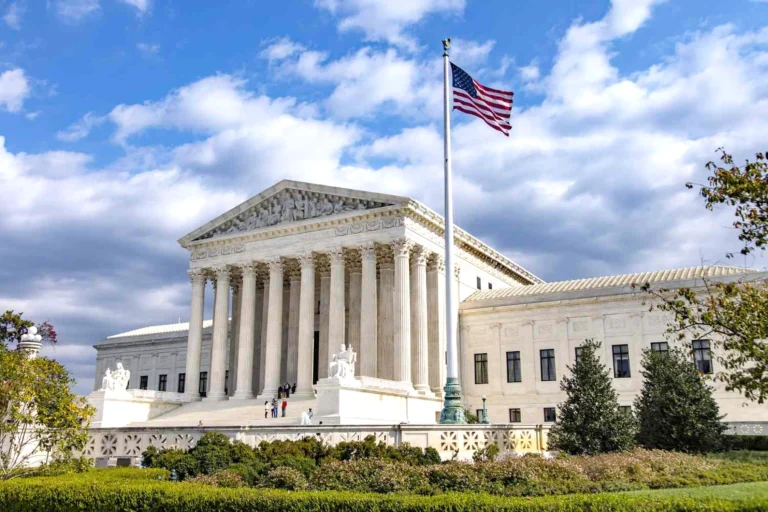
Washington, DC – The US Supreme Court has rejected President Donald Trump’s executive order that sought to end automatic birthright citizenship for children of undocumented immigrants and temporary visa holders.
Supreme judicial authority rejected
The Supreme Court decision is a legal victory for those who challenged the executive order.
It upheld the existing legal status regarding birthright citizenship,
as enshrined in the US. Constitution and established judicial interpretations.
The ruling marks the end of one of the most prominent legal battles related to the Trump administration’s immigration policies.
Impact of the decision on immigrants
The ruling means that children born in the US, including those born to undocumented immigrants and holders of temporary visas,
will continue to acquire US citizenship under existing legal frameworks.
The executive order has sparked widespread political and legal controversy since its issuance.
This comes amid objections from human rights organizations, several states,
and legal authorities who argue that it violates the Constitution.
Legal and political repercussions
The decision is expected to have repercussions for immigration in the US, one of the most politically divisive issues.
It could also affect any future attempts to amend birthright citizenship rules through executive action.
The ruling reaffirms the Supreme Court crucial role in deciding major constitutional cases,
particularly those related to immigration and civil rights, amid ongoing debate about the future of US immigration policy.