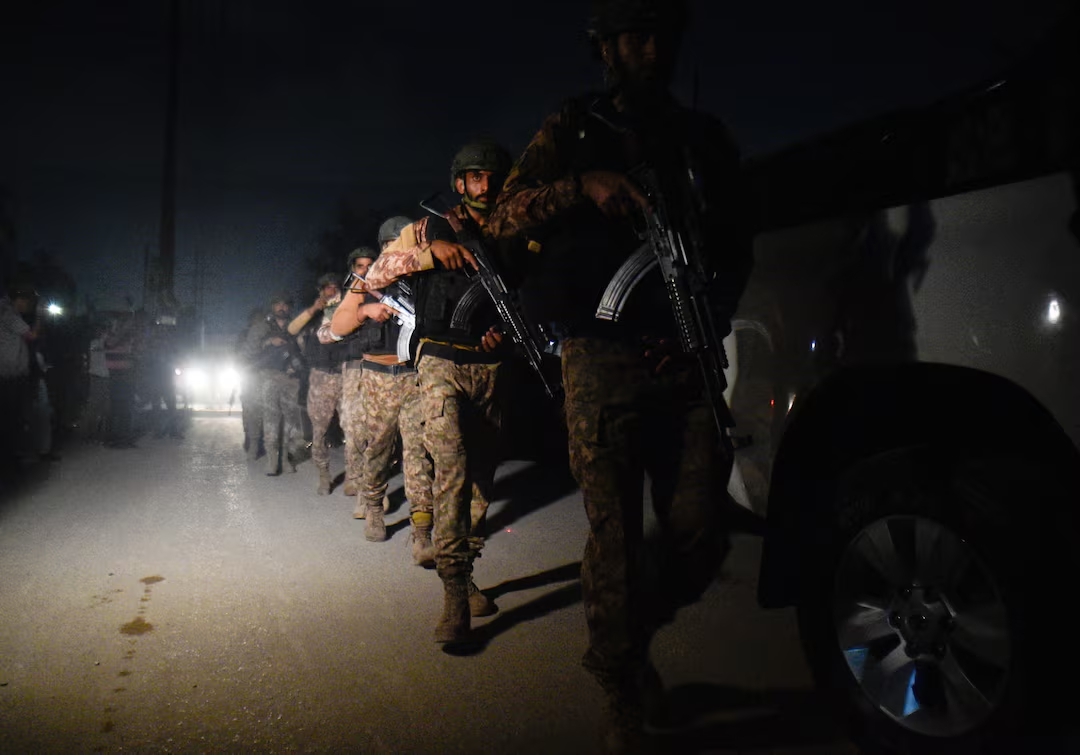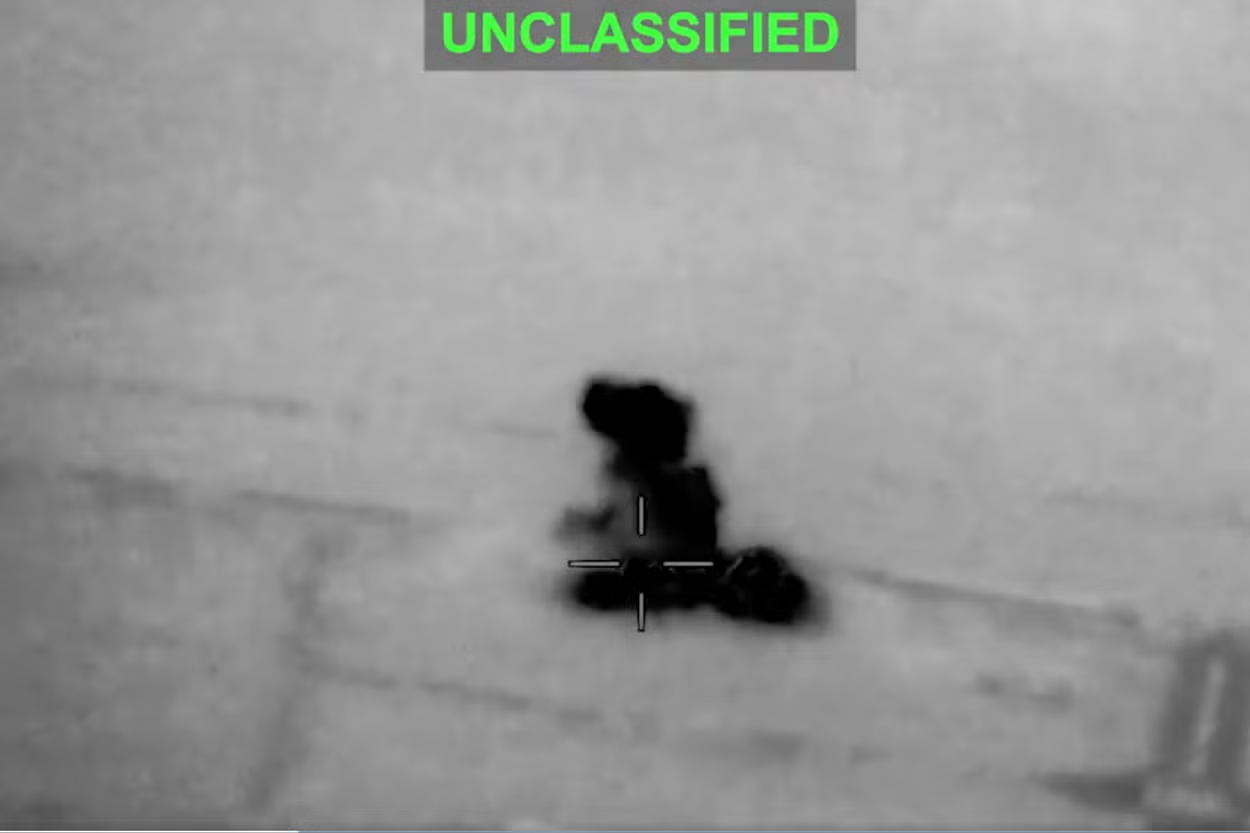
Washington, United States – In a move with strategic implications, the US military launched airstrikes targeting Iranian military sites near the Strait of Hormuz, in an attempt by Washington to contain escalating tensions. The US administration confirmed that these movements remain within the scope of tactical response and do not constitute the start of large-scale combat operations.
Details of the Attack and US Response
A US official explained to CNN that the operation came as a direct response to the targeting of the container ship “Ever Lovely” by an Iranian drone while crossing the strait. The source confirmed that the raids targeted the sites responsible for this attack, within the framework of Washington’s determination to protect international shipping.
Despite the intensity of this military move, US officials downplayed the likelihood of comprehensive escalation in the near term. They indicated that these strikes do not reflect a strategy of returning to major combat operations, but rather a limited measure aimed at deterring threats to the safety of waterways.
Trump Comments on the Agreement Violation
For his part, US President Donald Trump described the Iranian attack as a foolish violation of the recent ceasefire agreement. This incident is the first of its kind since the agreement came into effect, putting the fragile de-escalation between Washington and Tehran to a real and sensitive test.
The agreement imposes clear obligations on Tehran to ensure the safe passage of commercial vessels in the Strait of Hormuz, which is a lifeline for global energy. This commitment was the fundamental concession Iran made in exchange for easing pressures and tensions, making any breach of it have wide diplomatic repercussions.
Navigation Security Challenges and the Future of the Strait
The agreement’s provisions on “managing the strait” raise strategic controversy, as they stipulate that Iran and Oman will work together to determine the future management of the waterway. Experts believe that this wording grants Tehran an official role, which highlights its ambition to dominate the control joints of the passage.
The US administration now finds itself before a delicate balance between enforcing international obligations and avoiding slipping into a regional conflict. World capitals are anticipating the next Iranian reaction, and whether Tehran will comply with deterrence pressures or continue its policy of field control through its tools in the region.