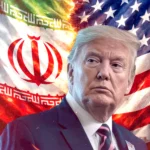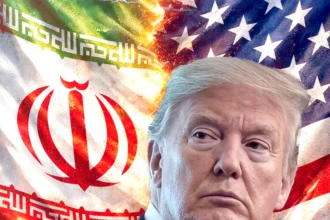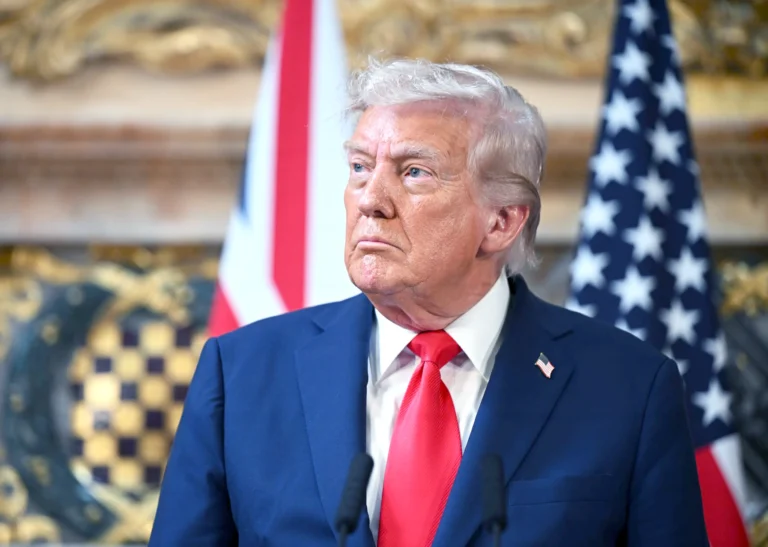
Washington, DC – US President Donald Trump escalated his rhetoric against Iran, threatening extensive military action if the ongoing negotiations between the two sides fail to produce a final agreement.
He made these remarks during an interview with Fox News.
Trump asserted that the United States has multiple options for dealing with any potential collapse of the negotiating process.
He also emphasized that his administration will not allow US interests or regional security to be threatened.
Direct threats to Tehran
The US president said he would destroy Iran if it did not reach an agreement.
He considered the current opportunity the best path to avoid further tensions and escalation in the Middle East.
Trump added that his country was dealing with the Iranian issue from a position of strength.
Moreover, he clarified that military options would remain on the table if the negotiations did not achieve the desired results.
The Strait of Hormuz is in a cycle of escalation
Trump indicated that the United States might seize control of the Strait of Hormuz if necessary.
This underscored the strategic importance of the waterway through which a significant portion of the world’s oil exports pass.
He explained that the security of international navigation is a priority for Washington.
He also affirmed that any threat to freedom of navigation in the Strait would be met
with a decisive response from the United States and its allies.
Negotiations under pressure
Trump’s remarks come at a sensitive time in US-Iranian relations.
This coincides with the start of a new round of technical talks between the two sides in Switzerland.
It is worth noting that efforts are underway to reach understandings
regarding the mechanisms for implementing the agreement and the commitments of each party.
Observers believe that the recent US statements reflect a continued policy of pressure alongside the diplomatic track,
in an attempt to push the negotiations toward a swift conclusion.
Meanwhile, regional and international actors are closely watching the outcome of the dialogue
and its impact on regional stability and the security of vital maritime routes.