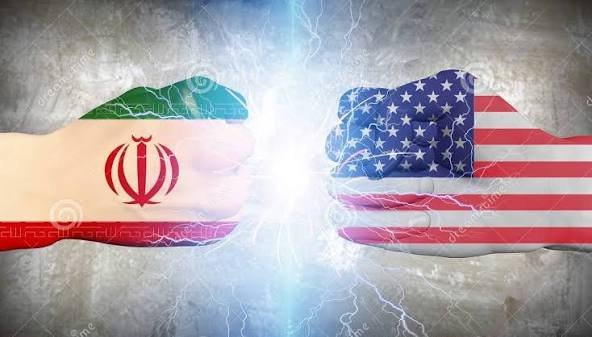
Bern, Switzerland – In a surprising development, the Swiss Foreign Ministry announced on Friday the cancellation of talks scheduled to take place at the Bürgenstock mountain resort between delegations from the United States and Iran.
This official announcement followed confirmation from the White House that US Vice President J.D. Vance had canceled his trip to Switzerland, which was intended to facilitate a meeting with Iranian negotiators. The trip aimed to initiate a crucial round of negotiations on the mechanisms for implementing the recently concluded agreement to end the war between the two countries.
Historic remote signing ceremony
Hopes were high for this meeting after US President Donald Trump and his Iranian counterpart, Masoud Pezeshkian, remotely signed a memorandum of understanding aimed at ending the conflict, reopening the Strait of Hormuz, and paving the way for broader negotiations encompassing outstanding security, nuclear, and economic issues.
The signing ceremony took place in a notable diplomatic spectacle; Trump signed the document at the Palace of Versailles in France during a dinner with French President Emmanuel Macron. Foreign Minister Marco Rubio was also present. Macron posted a video documenting the moment. President Trump commented, “This wasn’t easy.” Meanwhile, the official Iranian news agency, IRNA, published photos of Pezeshkian signing the document.
The implications of the agreement and its most prominent clauses
Following the signing, President Pezeshkian described the memorandum in a post on the X platform as “a historic document and a message from a strong Iran that peace will be achieved through mutual respect,” emphasizing Tehran’s commitment to global peace and preserving its dignity and independence.
The memorandum of understanding included 14 key points, most notably a formal declaration ending the war, securing navigation in the Strait of Hormuz, and lifting the naval blockade. It also included the launch of nuclear negotiations lasting 60 days, along with the easing of sanctions to allow Iran to gradually resume its oil exports.
An international welcome and questions about the future
Internationally, Pakistani Prime Minister Shehbaz Sharif welcomed the signing of the memorandum, considering it a manifestation of both parties’ commitment to resolving disputes through diplomatic channels. He clarified that the agreement entered into force immediately.
Despite the international acclaim for this achievement, the cancellation of the Bürgenstock talks raised serious questions about the challenges that might hinder its actual implementation on the ground.
There has been no official explanation from either Washington or Tehran regarding the reasons for the cancellation of the meeting, or whether this indicates an early setback in the technical talks related to the agreement. This leaves all eyes on the coming days to see the fate of this initiative, on which high hopes were pinned for de-escalating tensions in the Middle East.