Moscow, Russia – The Russian Foreign Ministry announced a “decisive victory” in an international arbitration case concerning coastal rights. Consequently, the ruling from the arbitration tribunal in The Hague concludes a legal dispute that lasted nearly ten years between Russia and Ukraine. Moreover, the decision was issued unanimously by five independent arbitrators, deeming the case of significant legal and geopolitical importance. As a result, Moscow confirmed that Ukrainian efforts to challenge its sovereignty over the Crimean Peninsula and surrounding maritime areas have failed to achieve their goals. Thus, Russia reinforces its legal position in this historic conflict.
Rejection of Ukrainian Demands and Financial Compensation
Russia clarified that the tribunal rejected Ukraine’s demands regarding control over hydrocarbon and fisheries resources in the waters around Crimea and the Sea of Azov. Accordingly, Kyiv did not receive any of the financial compensation it had sought for alleged damages resulting from Russian actions in the region. In addition, the court did not adopt accusations regarding environmental damage, instead acknowledging an effective Russian system for monitoring and protecting the marine environment. Conversely, Russia continues to assert that this ruling represents a legal precedent supporting its strategic positions in the disputed areas.
Strategic Importance of the Sea of Azov and Kerch Strait
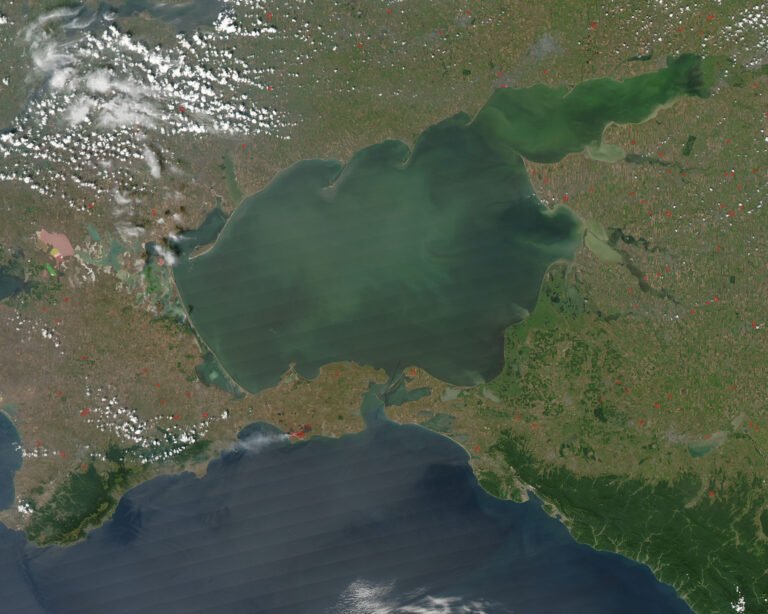
Moscow noted that the ruling included legal recognition of the Kerch Strait and the Sea of Azov as internal waters under its sovereignty. On the other hand, these areas are highly sensitive due to their supreme strategic and economic importance. Consequently, Russia views this judgment as an enhancement of its international legal stance amidst the ongoing conflict with Ukraine. Ultimately, the decision is expected to stir widespread debate in international political and legal circles. Accordingly, developments in this file remain under close international scrutiny, especially as Russia clings to this legal victory as a document bolstering its maritime influence.