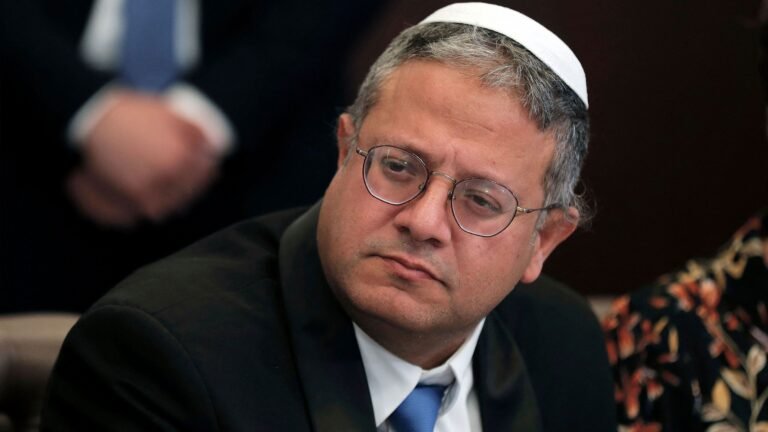
Brussels, Belgium – EU Foreign Policy Chief Kaja Kallas announced that foreign ministers of the European Union were unable to reach a consensus regarding imposing sanctions on Israeli National Security Minister Itamar Ben-Gvir. Consequently, these efforts stalled despite demands from several member states for strict measures against him. Moreover, this controversy stems from the Minister’s handling of activists on the “Sumud Flotilla” heading to Gaza, which triggered widespread international outcry. As a result, the European Union faces a significant challenge in unifying its stance toward the policies of Israeli officials. Thus, this move remains suspended due to the requirement for unanimous agreement in foreign policy decisions.
Unilateral Measures and Differing Positions
In the absence of a unified European Union decision, some member states took unilateral actions against Ben-Gvir. Accordingly, France announced a ban on his entry into its territory due to his conduct toward French citizens. In addition, Italy opened an investigation into suspected violations against Italian activists, while Ireland imposed a similar ban. Conversely, other nations within the European Union argue that collective sanctions could complicate strategic relations with Israel amidst sensitive regional circumstances. Consequently, the divergence in views stands as a major obstacle to formulating a unified European foreign policy.
Increasing Pressures and Future Relations with Israel
Calls are growing within the European Union to hold officials accused of human rights violations or incitement accountable. On the other hand, observers are monitoring how this division will impact the future of European cooperation with the Israeli government. Consequently, the failure to reach a consensus reflects the geopolitical challenges Brussels faces regarding Middle Eastern files. Ultimately, the bet remains on the European Union‘s ability to bridge differences among member states in the future. Accordingly, diplomatic movements remain under close scrutiny for any developments that might shift positions toward Ben-Gvir.