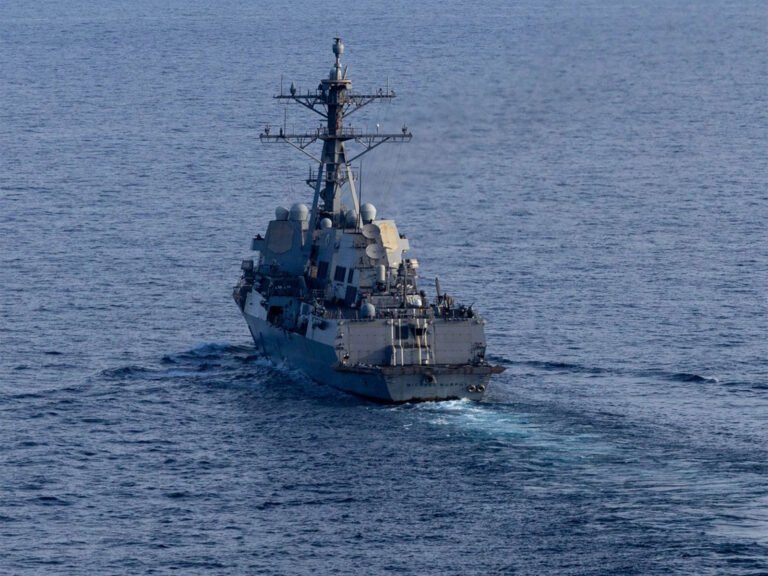
Washington – United States — US Central Command (CENTCOM) has officially announced that its naval forces have altered the routes of 122 merchant vessels over the recent period. The military framed these operations as part of aggressive, ongoing efforts to guarantee absolute compliance with parameters surrounding the naval blockade imposed on Iran. Furthermore, their actions aim to decisively preempt potential breaches within the theater of regional maritime operations.
Intense Surveillance of Sensitive Waterways and Immediate Rerouting
CENTCOM verified in an official military communique that these operational maneuvers materialize as a vital component of a scaled-up surveillance matrix monitoring shipping traffic across strategic maritime corridors. The primary focus centers on safeguarding international trade routes. In addition, they aim to ensure commercial vessels are not exploited in illicit activities that directly conflict with international sanctions frameworks or active security directives.
The brief explained that US naval assets maintain high-precision, close-quarter tracking of shipping logistics inside sensitive geopolitical sectors. The routes of commercial freighters and tankers are continuously monitored and evaluated around the clock. As a result, this triggers immediate field decisions to reroute specific vessels whenever necessary to align seamlessly with established maritime compliance codes and international protocols.
Safeguarding Global Commerce and Coordinating with Allied Powers
US Central Command added that the core objective behind these firm containment measures is to preserve the safety and stability of global navigation across vital choke points. Additionally, their aim is to completely choke off any logistical activity engineered to render support to sanctioned parties or entities. The leadership emphasized that these interdictions and tracking operations are executed in constant coordination and structural alignment with international and regional allied partners.
These advanced naval deployments surface amid a conspicuous spike in regional geopolitical friction tied to the Iranian file. Gulf maritime corridors and the broader Arabian Gulf are currently sustaining an unprecedented tightening of inspection, tracking, and radar reconnaissance protocols. This development occurs in parallel with accelerating political and security shifts regarding backchannel negotiations and the rigid international sanctions configurations levied against Tehran.