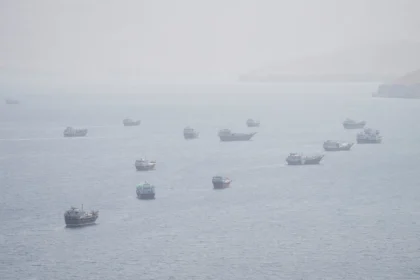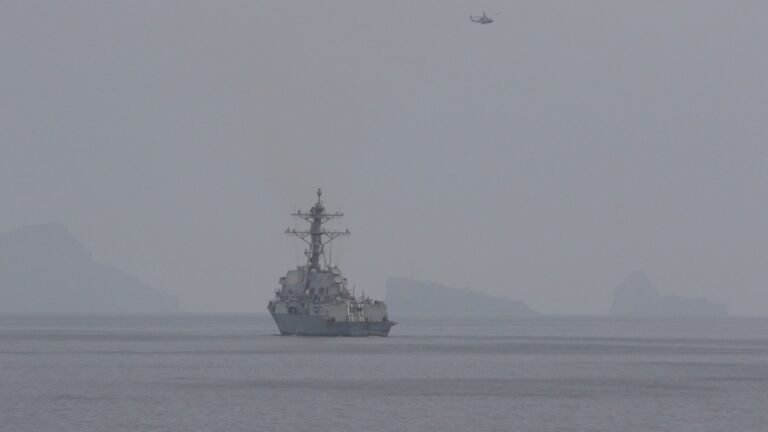
Washington – United States — The United States Central Command (CENTCOM) has announced that it has executed sweeping maritime operations. CENTCOM redirected 121 commercial vessels across sensitive and strategic maritime corridors. Additionally, it has disabled 5 other ships. In a major operational and security development, CENTCOM stated that these steps aim to enforce what it described as a “naval blockade” on Iran. Moreover, these steps aim to strengthen the security and safety of international navigation in the region.
Vessel Redirection Operations and Precautionary Routing
In an official statement, Central Command clarified that the extensive redirection operations spanned key maritime routes of immense strategic weight. It said the routes of dozens of merchant vessels were systematically altered away from potential flashpoints and high-tension zones. According to the military command, these moves were implemented as precautionary measures designed to bypass any imminent threats. These threats could compromise the safety of maritime traffic.
The US Command added that these logistical and tactical maneuvers are part of ongoing, intensive military endeavors to secure the freedom of navigation through international sealanes. Furthermore, they aim to mitigate any disruptions or hostile encumbrances that could negatively impact the fluid dynamics of global trade. These disruptions could also affect the international economy.
Tightening Maritime Surveillance and Escalating Regional Tensions
In the same context, Central Command noted that it had disabled 5 commercial vessels during the same timeframe. This was part of field deployments tied to tightening maritime surveillance and strict monitoring of shipping activities in the region. The American statement did not provide further specific details regarding the technical specifications of the disabled vessels, their cargo, origins, or exact locations of interception.
Furthermore, the command did not clarify whether these stringent naval measures were triggered by specific security incidents or direct military engagements. It merely noted that these parameters fall entirely under the framework of “enhancing regional maritime stability.”
Furthermore, the command did not clarify whether these stringent naval measures were triggered by specific security incidents or direct military engagements. It merely noted that these parameters fall entirely under the framework of “enhancing regional maritime stability.”