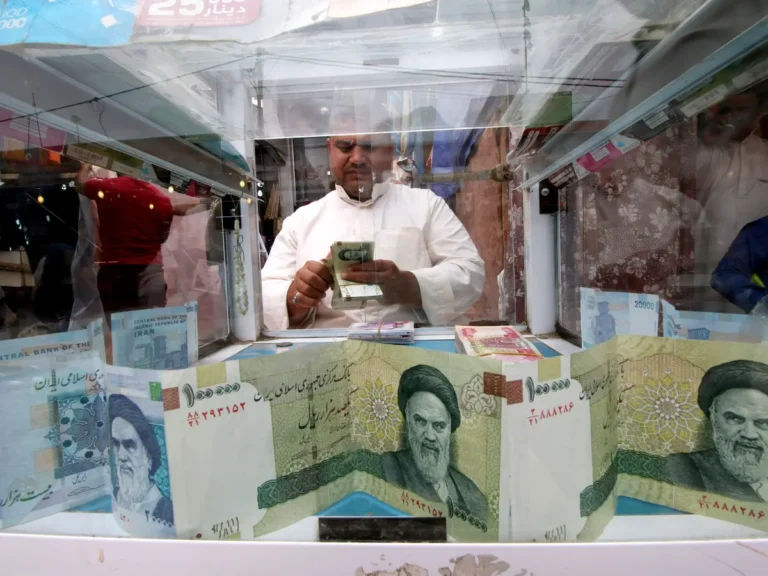
Tehran, Iran — The Iranian Fars News Agency reported that the immediate release of $12 billion in frozen Iranian assets is included in the draft Memorandum of Understanding (MoU) associated with ongoing negotiations between Iran and the United States. This provision is part of broader diplomatic efforts aimed at reducing tensions between the two sides. The agency noted that these terms fall under wider discussions concerning financial and economic files linked to sanctions and Iranian funds frozen abroad. Meanwhile, these developments come amidst continuing indirect negotiations between the two parties.
The Frozen Funds File as a Crucial Element
According to the report, the issue of releasing a portion of Iranian assets represents one of the core elements in the ongoing talks. Other files related to the nuclear program and reciprocal measures between Tehran and Washington are also key topics. No independent official confirmation has been issued by the American side regarding the details mentioned in the report. At the same time, international media outlets continue to broadcast divergent information on the progress or stagnation of the negotiation track.
Divergent Narratives and Adherence to Lifting Restrictions
This development comes amid conflicting reports regarding the nature of potential agreements between the two parties. Some Iranian sources deny the existence of a finalized draft for the MoU. However, other reports discuss partial progress on specific clauses. In its official statements, Tehran emphasizes that it will not accept any agreement that fails to guarantee its economic interests. Moreover, Tehran wants the agreement to effectively lift the restrictions imposed upon it.
Regional and International Anticipation of the Talks
Regional and international diplomatic movements persist with the goal of pushing negotiations forward. This happens amid a state of anticipation regarding the possibility of reaching preliminary understandings in the coming period. Key world capitals are closely monitoring developments in this file. In particular, they are watching because of its direct repercussions on global energy markets and regional stability.