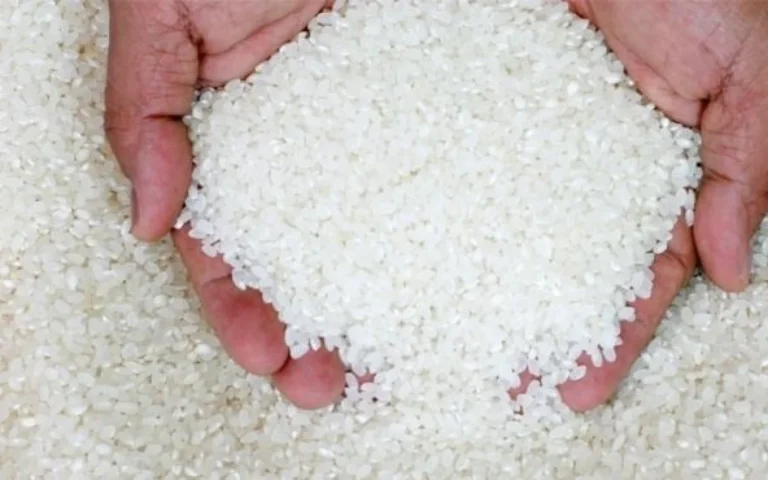
Havana, Cuba – In a move reflecting the strength of the strategic alliance between Havana and Beijing, Cuban President Miguel Díaz-Canel announced on Sunday the arrival of the first shipment of Chinese food aid to the island. This shipment included 15,000 tons of rice. It comes as part of a broader commitment by the People’s Republic of China to provide a total of 60,000 tons of rice to support the Cuban people during these difficult economic times.
Strategic support during times of crisis
Cuba, which has been under a US embargo since 1962, has suffered a severe economic crisis in recent years. This has led to acute shortages of basic foodstuffs and medicines, as well as a crippling energy crisis characterized by frequent and prolonged power outages. This already dire situation has been further exacerbated by the new oil embargo imposed by Washington last January.
Commenting on the arrival of the shipment, President Díaz-Canel expressed his deep gratitude via the X platform, emphasizing that this aid from the “people, party, and government of China” represents a glimmer of hope for the island. He noted that this shipment is just the beginning of a series of supplies that will arrive successively until the total reaches 60,000 tons.
China’s largest aid package in years
For his part, the Chinese ambassador to Havana, Hua Sim, explained in remarks broadcast on state television that this package represents “the largest quantity of food aid” that China has provided to Cuba in recent years.
Cuban Minister of Foreign Trade, Betsy Díaz, confirmed that the logistical plan calls for the aid to arrive in four consecutive shipments, each weighing 15,000 tons, to ensure continuous distribution and meet the needs of local markets.
Conflicting interests and tension with Washington
This move comes at a time of heightened tensions between Havana and Washington. While China has expressed strong support for Cuba’s sovereignty, it has criticized what it calls US interference in the island’s affairs. Particularly following the US authorities’ pursuit of former Cuban President Raúl Castro on legal charges, US Secretary of State Marco Rubio affirmed Washington’s determination to press for political change on the island.
This Chinese aid puts Cuba in a more secure position against US pressure, as Beijing is an indispensable trading partner and political ally for Havana. With the ongoing diplomatic tug-of-war between Washington and Havana, food aid is emerging as a key tool in the geopolitical struggle, as international powers seek to protect their influence and ensure the stability of their allies in the Caribbean. This raises questions about the extent to which this aid can alleviate Cuba’s structural economic crisis.